How to Choose a Shower Head for Low Pressure
That dismal trickle from your shower head is frustrating. You deserve a shower that rinses away the day, not one that leaves you feeling more grimy than clean. The good news?
You don’t need a massive plumbing overhaul to fix it. Often, simply choosing the right shower head can make a world of difference for a low-pressure situation.
But where do you start? The market is flooded with options. We’ve all been there, staring at aisles brimming with shiny chrome, wondering which one will actually boost your shower experience.
This guide breaks down exactly what to look for. We’ll help you find a shower head that turns that weak stream into a revitalizing cascade. Let’s get your shower working for you.
Understanding What Causes Low Shower Pressure
Before we dive into shower head types, it’s helpful to know why your pressure might be low. It’s not always the shower head itself. Sometimes, it’s a systemic issue in your home’s plumbing.
- Pipe Issues: Old, corroded, or partially blocked pipes are common culprits. Minerals and sediment can build up over time, narrowing the pipe’s diameter and restricting water flow. If your home is older, this is a likely suspect.
- Water Heater Problems: Is the low pressure only in your hot water? Your water heater might be undersized, calcified, or have a faulty dip tube.
- Faulty Pressure Regulator: Many homes have a pressure reducing valve (PRV) that controls incoming water pressure. If this valve fails, it can significantly reduce flow throughout your house.
- Leaks: A hidden leak somewhere in your plumbing system can siphon off water pressure before it even reaches your shower.
- Municipal Supply Issues: Less commonly, the issue could be with your local water supply or the main line coming into your property.
While some of these require professional plumbing help, many can be mitigated with the right shower head. Focusing on how the shower head uses the available water pressure is key.
Key Features to Look for in a Low-Pressure Shower Head
When you’re dealing with low water pressure, you need a shower head designed to maximize the impact of every single drop. Here’s what truly matters:
1. Nozzle Design and Size
This is critical. Shower heads with smaller, more numerous nozzles can concentrate the water flow. This creates a sensation of higher pressure.
Think of it like putting your thumb over the end of a garden hose, the smaller opening forces the water out with more vigor.
Shower heads with wider spray patterns might feel more luxurious, but they can easily dilute the limited water you have. For low pressure, look for designs that prioritize a focused, energetic spray.
2. Aeration vs. High-Pressure Technology
This is where things get interesting. There are two main approaches shower heads take to combat low pressure:
- Aeration: Many shower heads designed for low pressure are aerating. They work by injecting air into the water stream. This creates a fatter, softer spray that feels fuller and more powerful. It’s like the water is being amplified. Modern aerating shower heads are very effective and don’t sacrifice a gentle feel on the skin.
- Non-Aerating (High-Pressure) High-Flow: Some shower heads, often labeled as “high-pressure,” achieve their effect by simply allowing more water to pass through. They might have fewer, larger nozzles that are engineered for maximum output. These can feel more intense but might also use more water. It’s important to check the flow rate (Gallons Per Minute, GPM) on these. Older homes especially might have plumbing that can’t consistently supply higher GPM without the sensation of pressure dropping elsewhere.
For most homes experiencing mild to moderate low pressure, an aerating shower head is usually the best bet. They offer a significant improvement without overwhelming your plumbing.
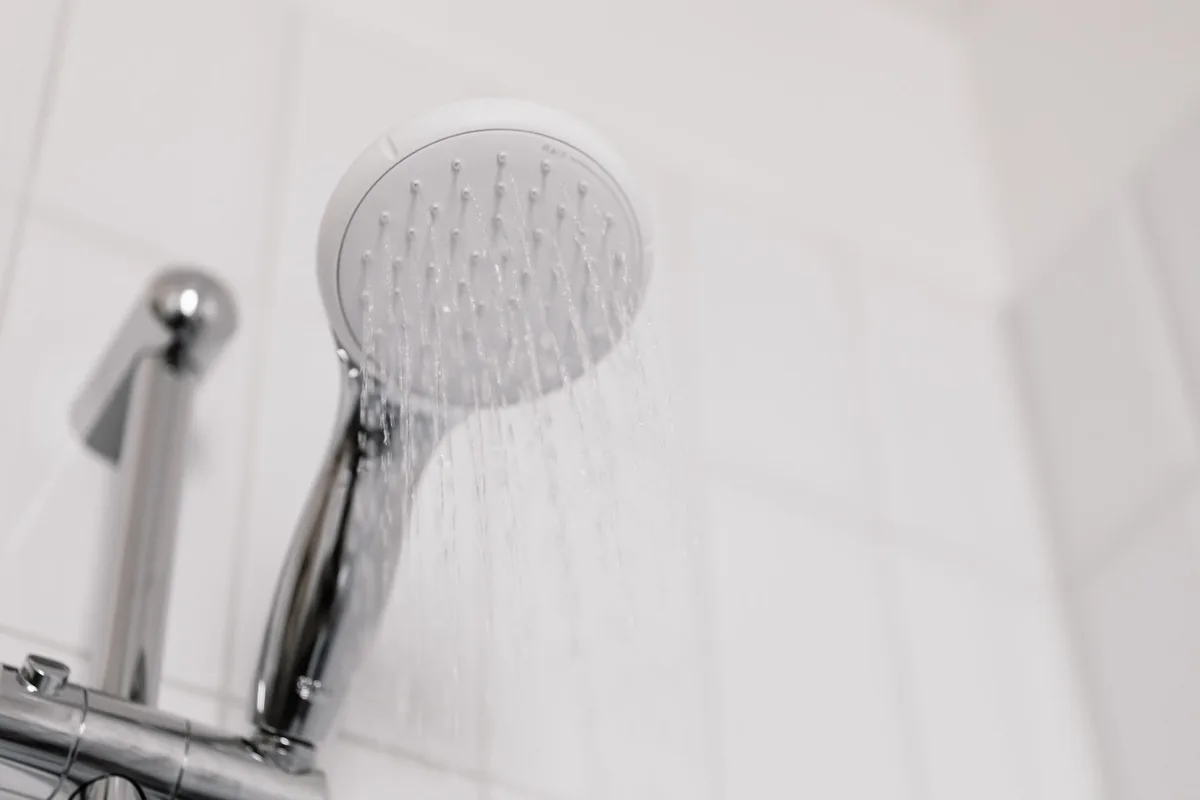
Image source: Pexels / www.kaboompics.com (Pexels License)
3. Spray Settings and Patterns
While a powerful single spray is great, versatility is also a plus. Many low-pressure shower heads offer multiple settings. These can include:
- Wide Spray: Mimics a rainfall effect, covering a larger area.
- Massage/Pulsating: A more directed, invigorating spray.
- Power Spray/Jet: A concentrated, high-force stream.
Look for shower heads that allow you to switch between settings. The “Power Spray” or “Jet” settings are often the most beneficial for boosting the sensation of pressure when you need it most.
4. Material and Finish
While not directly impacting pressure, the material and finish contribute to the shower head’s durability and look.
- Materials: Brass, stainless steel, and solid ABS plastic are common. Brass and stainless steel are more durable and resistant to corrosion, which can be important in areas with hard water. ABS plastic is lighter and more affordable, but ensure it’s high-quality for longevity.
- Finishes: Chrome, brushed nickel, oil-rubbed bronze, and matte black are popular. Choose a finish that complements your bathroom’s style. A chrome finish is classic and easy to maintain.
5. Easy Installation
Most shower heads are designed for DIY installation. They typically screw onto a standard shower arm. You’ll usually only need a wrench or pliers and some plumber’s tape.
If you’re not comfortable with basic DIY, this is still a simple task that a handyman can complete quickly.
Types of Shower Heads for Low Pressure
Let’s break down the specific types of shower heads that excel in low-pressure environments.
1. High-Efficiency Shower Heads
These are designed to meet or exceed government regulations for water usage, primarily through reduced flow rates (often 2.5 GPM or less, sometimes even 2.0 GPM or lower). While that sounds counterintuitive for low pressure, the engineering behind them focuses on creating a powerful spray with that limited flow. They often use advanced nozzle technology and aeration to achieve this.
2. Wall-Mounted Shower Heads vs. Handheld Shower Heads
- Wall-Mounted: The traditional fixed shower head. These can be excellent for low pressure if they’re designed with the right nozzle technology and aeration. They offer a consistent spray height and direction.
- Handheld: These come with a hose and a mount on the wall. They offer flexibility in directing the spray, which can be helpful for rinsing or for individuals with mobility issues. For low pressure, a good handheld shower head will have features that concentrate the water stream, similar to their fixed counterparts. Some even offer a “pause” button, which can be useful for conserving water while lathering, though this doesn’t directly boost pressure.
3. Fixed Shower Heads with Advanced Nozzles
Many manufacturers now produce fixed shower heads specifically marketed for low pressure. These often boast proprietary technologies:
- Concentrated Spray: Nozzles are engineered to narrow the water stream, creating a more forceful, jet-like effect.
- Air-Induction Systems: These actively mix air with water, making each droplet feel larger and the overall spray feel more robust. This is where the aeration magic happens.
4. Rainfall Shower Heads (with caution)
A true rainfall shower head is typically a large, wide fixture. For severely low pressure, these can be disappointing. The sheer surface area means the water spreads out too much, and the sensation of pressure is lost.
However, some manufacturers offer “rainfall-style” shower heads designed for low pressure. These often combine a wider spray with some form of aeration or internal channeling to maintain a more powerful feel. Always check reviews and specifications carefully for these.
How to Choose the Right Shower Head: A Step-by-Step Guide
Ready to make a decision? Follow these steps to pick the perfect shower head for your low-pressure situation.
Step 1: Assess Your Current Situation
- Diagnose the Cause (if possible): Try to determine if the low pressure is hot water only, cold water only, or both. This can give you clues about the underlying issue. If it’s consistently low across all fixtures, it might be a wider plumbing problem.
- Measure Your Flow Rate: Get a bucket and time how long it takes to fill it with 5 gallons of water. If it takes longer than 30 seconds, your pressure is likely below the average 40 PSI. This gives you a baseline.
Step 2: Read Product Specifications Carefully
Don’t just look at the pictures. Dive into the details:
- Flow Rate (GPM): Look for shower heads that are advertised as low-flow (e.g., 2.0 GPM or less) but specifically mention benefits for “low pressure.” A standard shower head is 2.5 GPM. Lower GPM means less water, but if the nozzle design and aeration are good, it can feel stronger.
- Technology: Does it mention aeration? Air-induction? Special nozzle design? These are keywords that signal it’s built for low-pressure performance.
- Spray Settings: As discussed, look for settings that offer a concentrated or massage-like stream.
Step 3: Check Reviews and Ratings
This is your best friend. Look for reviews from people who specifically mention having low water pressure in their homes.
- What problems did they solve? Did the shower head noticeably improve their experience?
- What were their expectations? Did it meet them?
- Any downsides? Does it clog easily? Is the spray too harsh for some?
Reputable retailers and consumer review sites can be invaluable here. Look for trusted brands known for shower head innovation.
Step 4: Consider Your Budget
Shower heads for low pressure range from $20 to over $100.
- Budget-Friendly: You can find decent aerating shower heads for under $30 that will offer a noticeable improvement.
- Mid-Range: For $40-$70, you’ll find more durable materials, advanced technologies, and a wider variety of spray settings. Many of the best-performing models fall into this category.
- Premium: Higher-end models may offer superior build quality, longer warranties, and more refined aesthetics.
Step 5: Installation and Maintenance
- Ease of Installation: Most shower heads are straightforward to install. You can often find installation videos online for specific models.
- Cleaning: Look for shower heads with easy-to-clean nozzles. Rub-clean or anti-clog nozzles are a godsend, especially if you have hard water. Regular cleaning prevents mineral buildup that can further restrict flow. If you’re in an area with hard water, consider how often you should replace vacuum filters to understand how mineral buildup affects performance.
Popular Shower Head Features for Low Pressure
Let’s put some of these features into context with what you’ll commonly see advertised.
Oxygenics Shower Heads
Oxygenics is a brand renowned for its shower heads designed to boost pressure. They primarily use an air amplification system, mixing air with water under pressure to create a stronger, more voluminous spray. Many of their models are specifically targeted at low-pressure homes.
They’re a strong contender if you see their name.
Delta In2ITION Technology
Delta’s In2ITION shower heads often feature a two-in-one design: a shower head with a hand shower that sprays from the center. This can help concentrate water flow and provide a more powerful feel, even at lower pressures. They also frequently incorporate their H2Okinetic® technology, which shapes the water into a unique wave pattern to feel like more water is hitting you.
Moen.com’s Shower Technologies
Moen offers various technologies aimed at improving shower experience. Look for their models that emphasize spray velocity or concentrated streams. Brands like Moen often provide excellent warranties and customer support, which is great for various home repairs and upgrades.
What to Avoid When You Have Low Water Pressure
Just as important as knowing what to look for is knowing what to avoid.
- Ultra-Wide Rainfall Shower Heads: Unless specifically designed for low pressure with advanced features, these will likely just spread your meager water supply too thin.
- Shower Heads with Very High GPM (e.g., 3.5 GPM+): While these might seem like they’d add pressure, they require a strong incoming flow. If your home already has low pressure, a high-GPM head will likely just result in a weak, disappointing shower and potentially drain your water heater faster.
- Cheap, Unbranded Shower Heads: While tempting, these often lack the proper engineering to improve low pressure. They might feel a bit more forceful initially, but they rarely deliver on the promise of a truly satisfying shower.
Frequently Asked Questions
Q1: Will a low-pressure shower head actually give me “high pressure”?
Technically, no. It won’t increase the amount of water flowing from your pipes. However, it will simulate higher pressure by concentrating the water stream, injecting air, and optimizing the spray pattern.
The sensation will be much more powerful and satisfying than a standard shower head.
Q2: How do I know if my home has low water pressure?
Signs include a weak stream from faucets and shower heads, slow-filling toilets, and reduced water flow when multiple fixtures are used simultaneously. You can also measure your home’s static water pressure with a gauge attached to an outdoor spigot.
Q3: Do shower heads for low pressure use less water?
Many shower heads designed for low pressure are also high-efficiency or low-flow models, meaning they are limited to 2.5 GPM or less. This saves water compared to older, standard shower heads. However, some “high-pressure” models might have a higher flow rate, so always check the GPM rating if water conservation is a priority.
Q4: Can I install a low-pressure shower head myself?
Yes, in most cases! Installing a new shower head is typically a simple DIY project. You’ll likely need plumber’s tape and a wrench or pliers.
Ensure you turn off the water supply before you start.
Q5: What if a new shower head doesn’t fix my low pressure?
If a new shower head doesn’t significantly improve your shower experience, the problem likely lies deeper within your plumbing system. You may need to contact a professional plumber to inspect your pipes, water heater, or pressure regulator.
Conclusion
Upgrading your shower head is one of the most effective and affordable ways to combat low water pressure. By understanding the essential features like nozzle design, aeration technology, and spray patterns, you can make an informed choice. Look for models designed to maximize the impact of every drop, rather than those simply designed to move more water.
With the right shower head, you can transform your daily shower from a mundane chore into a thoroughly enjoyable experience. Now go forth and shower with confidence!


Similar Posts