How to Fix a Toilet That Keeps Clogging
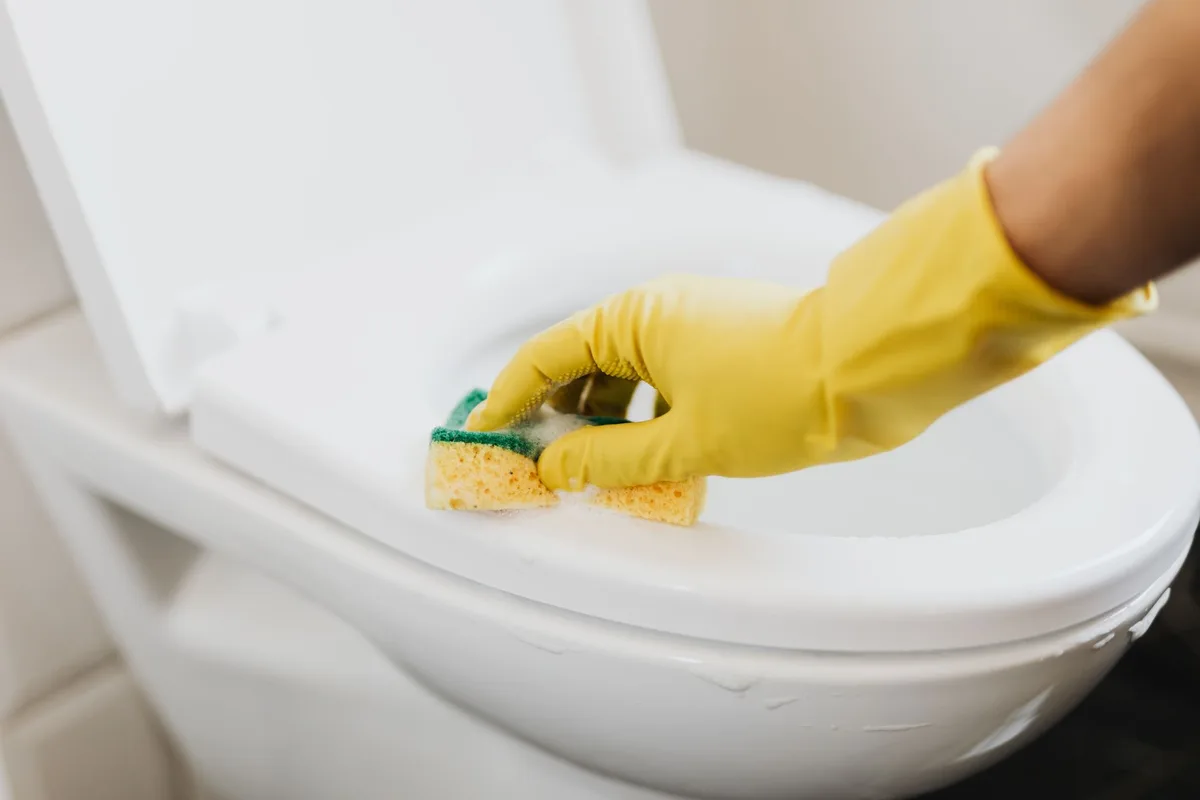
Let’s be real: a toilet that clogs every time you flush is a special kind of misery. It’s inconvenient, embarrassing, and if you’re the one who has to plunge it at 2 a.m., it’s downright rage-inducing. I’ve bailed out dozens of frustrated homeowners over the years, and nine times out of ten, the fix is simpler than you think.
You don’t need a plumbing license or a stack of cash. You just need the right approach and a little patience.
We’re going to walk through why your toilet keeps clogging, the tools that actually work, and the step-by-step fixes you can do today. By the time you finish reading, you’ll know exactly what to do, and when to throw in the towel and call a pro.
Why Your Toilet Keeps Clogging
First things first: let’s figure out what’s causing the problem. A toilet that clogs repeatedly isn’t just bad luck. It’s usually one of these five things.
Low-flow toilet design. Modern toilets are designed to use 1.6 gallons per flush or less. That’s great for your water bill, but it means they don’t have the same push as older 3.5-gallon models. If your toilet is a low-flow and you’re flushing anything remotely thick, it can struggle to clear the bowl.
Partial blockage in the toilet trap. The built-in S-shaped pipe inside your toilet bowl is called the trap. A partial clog there, often a toothbrush, a toy, or years of mineral buildup, creates a narrow passage. Each flush sends water through, but solids get stuck.
Hard water scale. If you have hard water, calcium and lime deposits can build up inside the trap and the drainpipe. That rough surface catches toilet paper and waste like Velcro. Over time, the opening shrinks, and clogs become the norm.
Tree roots or sewer line issues. This one’s less common but worth knowing. If the clogging happens on multiple toilets or drains, the problem might be underground. Roots can grow into your sewer line, blocking flow entirely.
Improper flushing habits. Let’s be honest: some people flush things they shouldn’t. Wet wipes (even “flushable” ones), cotton balls, feminine products, and excessive toilet paper are the biggest culprits. The toilet wasn’t designed for that.
Now that you know the suspects, let’s grab the tools and start fixing.
Tools You’ll Need
Don’t run out and buy a whole plumbing kit. For most situations, you only need a few items:
- A toilet plunger (the one with the flange on the bottom, not a flat sink plunger)
- A toilet auger (also called a closet auger)
- A bucket to catch water
- Rubber gloves (trust me, wear them)
- White vinegar and baking soda for mineral cleanup
- Shop towels or rags
Got those? Great. Let’s work through the fixes in order, from simplest to most aggressive.
Step-by-Step Fixes
The First Move – Proper Plunging Technique
You might think you know how to plunge a toilet. I thought I did too, until I learned the correct method from a master plumber. Most people just jam the plunger up and down frantically.
That often pushes the clog deeper.
Here’s what actually works.
Step 1: Get a good seal. Use a toilet plunger with a flange (the extra rubber that fits into the toilet hole). Press it down firmly so no air escapes. You want a tight vacuum.
Step 2: Slow, gentle pushes at first. Don’t go wild. Push down slowly to force water forward, then pull up sharply to create suction. The goal is to rock the clog back and forth, dislodging it.
Step 3: Quick, forceful strokes. After a few slow pumps, increase speed and power. Do about 10, 15 aggressive pushes. If you see the water level drop suddenly, you’ve cleared it.
Flush to test.
When plunging doesn’t work: if you’ve tried proper plunging three times with no success, stop. Repeated plunging can break the wax seal or damage the toilet. Move to the auger.
Plunging solves about 60% of persistent toilet clogs. If yours is still stubborn, keep reading.
When Plunging Fails – The Toilet Auger
A toilet auger is a flexible cable with a crank handle on one end and a curved tip on the other. It’s designed to go through the toilet bowl and trap without scratching the porcelain. This tool is your best friend for clogs that are deeper than the plunger can reach.
How to use it:
- Pull the toilet’s fill valve or turn off the water supply to prevent overflow.
- Lay a bucket and towels on the floor. There will be some water.
- Insert the auger’s cable into the toilet hole. Push gently until you feel resistance.
- Crank the handle clockwise. The cable will twist into the clog. Keep cranking until you feel it break through.
- Pull the auger back out slowly, unwinding any material stuck on the tip.
- Flush to see if the water runs freely.
If you’ve never used an auger before, don’t be intimidated. It’s easier than it looks. Most hardware stores rent them for cheap, or you can buy one for under $20.
One pro tip: always rotate the auger in the same direction (clockwise) as you push forward. Reversing can bend the cable or jam it.
Dealing with Mineral Buildup
Suppose the clog isn’t a solid object. Instead, your toilet just seems slow to flush and clogs every time you use more than a little paper. That’s a telltale sign of mineral scale in the trap.
This is common in homes with hard water. The buildup narrows the passage, creating a surface that catches everything.
The vinegar and baking soda method:
- Start with a dry bowl (suck out excess water with a cup, or flush while holding the handle down briefly).
- Pour 2 cups of white vinegar into the overflow tube (the little hole near the toilet tank’s handle). Let it sit for a few minutes.
- Add 1 cup of baking soda. You’ll get fizzing. That’s good, it’s breaking down scale.
- Wait 15, 30 minutes, then flush.
Do this once a month if you have hard water. For tough scale, use a commercial toilet descaler (look for one that’s safe for plumbing). Some plumbers recommend a product like CLR for toilets, but always follow the label.
Heads-up: if the scale is really thick, you might need to remove the toilet, flip it over, and scrub the trap with a wire brush. That’s a bigger job. We’ll cover that in the pro section.
Check the Toilet Trap and Wax Ring
If plunging and augering don’t work, and you’ve ruled out mineral buildup, the problem could be in the toilet’s internal trap or the wax ring seal.
The toilet trap is the built-in S-curve inside the ceramic. Occasionally, a large object (a toy, a makeup brush, a bar of soap) gets lodged there. You can’t see it easily.
To check, remove the toilet from the floor. That’s not a beginner job, but if you’re willing:
- Turn off water supply and flush to empty the tank.
- Disconnect the supply line.
- Unbolt the toilet from the floor.
- Lift the toilet straight up and set it on its side on a tarp.
- Look into the trap opening. Use a bent wire or a mirror to spot any obstruction.
The wax ring is the seal between the toilet and the floor drain. If it’s cracked or compressed, water can leak, but that usually causes a running toilet or a puddle on the floor, not clogs. However, a shifted wax ring can partially block the drain.
Resetting the toilet with a new wax ring solves that.
I’ll be straight: pulling a toilet is messy and tricky. If you’re not comfortable, skip this step and call a plumber.
Prevention Tips
You fixed the clog. Congratulations. Now let’s make sure it doesn’t happen again.
Flush smarter, not harder. Don’t flush anything except human waste and toilet paper. Yes, even “flushable” wipes are a lie, they don’t break down quickly. The EPA’s WaterSense program warns against flushing wipes.
Same goes for cotton swabs, dental floss, and hair.
Use less paper. If you have a low-flow toilet, consider using thinner toilet paper or folding it instead of wadding. Some brands are designed for septic systems and flush better.
Vinegar maintenance. Pour a cup of white vinegar into the toilet tank every few months. It prevents scale in the fill valve and helps keep the trap clean.
Watch what goes down. If you have young kids, make sure small toys don’t end up in the bowl. It happens more than you’d think.
Install a water softener. If your home has hard water (you see white crust on faucets or glass shower doors), a whole-house water softener will reduce mineral buildup everywhere, including your toilet trap. That alone can fix chronic clogs.
When to Call a Professional
I’m all for DIY, but some situations demand a plumber. Here’s when to pick up the phone.
You can’t clear the clog with an auger. If the auger goes in easily and you don’t hit anything solid, the blockage is deeper in the main sewer line. That’s beyond a toilet auger.
Multiple drains are slow or clogged. If your tub drains slowly when you flush the toilet, or the toilet gurgles, you likely have a main line obstruction. That requires a sewer camera and a motorized drain snake.
Water backs up into the shower or tub. That’s a classic sign of a blocked main drain. Call a pro immediately, don’t keep flushing.
You suspect tree roots. If you have mature trees near the sewer line, roots can grow through pipe joints. Only a plumber with a cutting snake can handle that.
You see water around the toilet base. That’s a wax ring leak, not a clog fix. Replacing the ring is doable, but it’s messy, and if the flange (the pipe fitting in the floor) is broken, it needs repair.
For any of those scenarios, paying a plumber $150, $300 is a lot cheaper than flooding your bathroom or damaging the floor.
Frequently Asked Questions
Why does my toilet clog after just one use?
That points to a partial blockage in the trap or the drain line. Use an auger. If that doesn’t help, look for mineral buildup or a sewer vent issue.
Can a toilet unclog itself?
Sometimes, if the blockage is soft (like paper), it can break down over hours. But that’s rare. Don’t count on it, fix it properly.
Is it safe to use chemical drain cleaners in a toilet?
Short answer: no. Chemical cleaners can damage the toilet’s wax ring and porcelain. They’re also bad for your septic system.
Stick to mechanical methods or vinegar.
How often should I clean the toilet trap?
Once a month if you have hard water. Otherwise, only when you notice slow flushing.
What’s the best plunger for a toilet?
A toilet plunger with a flange (the accordion-like extension). That shape creates a better seal than a standard cup plunger.
Can a clogged vent cause a toilet to keep clogging?
Yes. If your drain system’s vent pipe is blocked, air can’t enter, and water can’t flow freely. That can cause slow flushing and repeated clogs.
A plumber can clear the vent from the roof.
Final Words
A toilet that keeps clogging is frustrating, but it’s rarely a mystery. In most cases, the fix is a better plunging technique or a simple auger run. Tackle the mineral deposits if that’s your issue, and always flush only the three Ps: pee, poop, and paper.
I’ve seen people spend hundreds of dollars on “miracle” flush products and plumber visits for something they could have solved in ten minutes with a $15 auger. Don’t be that person. You’ve got the knowledge now.
Get your tools, fix the clog, and enjoy a toilet that actually works.
If you hit a wall, literally, a clog you can’t move, don’t force it. Call a pro. But for the vast majority of persistent clogs, you’re the one who can fix it.
And you will.


Similar Posts