How to Make a Hardwired Wall Sconce Wireless
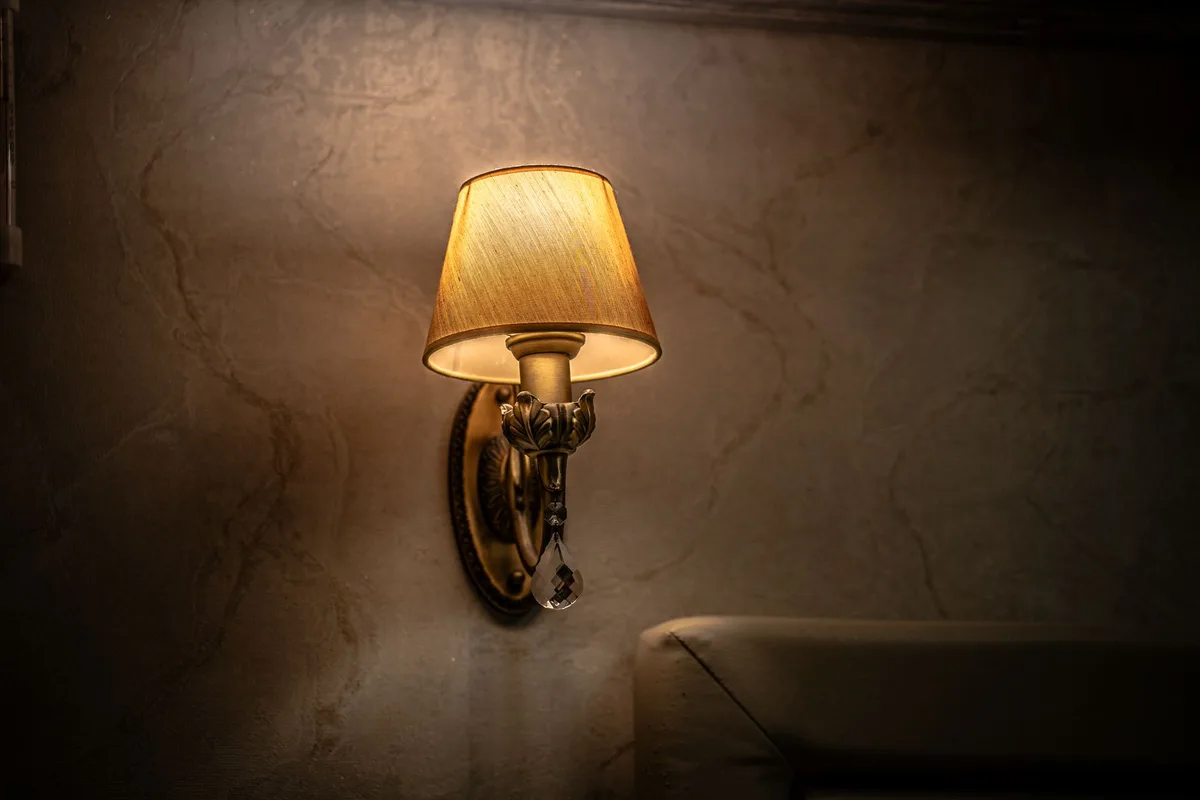
Image source: Pexels / Александр (Pexels License)
Dreaming of that perfectly placed wall sconce but loathe the idea of messy wiring or calling an electrician? You’re not alone. Hardwired sconces offer a clean, integrated look, but their permanent nature can be a major drawback.
The good news? With a few clever solutions, you absolutely can achieve that desired aesthetic without a single wire running through your walls. We’re talking about making that beautiful hardwired fixture function entirely wirelessly.
This isn’t about simply swapping out a bulb for a smart one. We’re diving deep into transforming an existing, or intended, hardwired installation into a completely wire-free setup. This means dealing with power delivery and control without relying on the electrical grid built into your walls.
It’s about achieving flexibility, style, and convenience, all without compromising the look you love.
Whether you’re a seasoned DIYer or just starting to dip your toes into home improvement, this guide will walk you through the ins and outs of making your hardwired wall sconce wireless. We’ll cover the various approaches, essential components, safety considerations, and tips to ensure a successful, beautiful, and, most importantly, safe installation. Let’s get your walls looking illuminated exactly how you envision them.
Understanding the Core Challenge: Power Without Wires
The fundamental hurdle when converting a hardwired sconce to wireless operation is delivering reliable power. A traditional hardwired sconce is directly connected to your home’s electrical system. It draws power continuously, allowing the light to function as long as the circuit breaker is on.
When you remove this direct connection, you need an alternative power source.
This alternative typically falls into a few key categories:
- Battery Power: This is the most straightforward approach. The sconce is powered by rechargeable or long-lasting disposable batteries.
- Plug-In Adapters: While this sounds like it defeats the ‘wireless’ purpose, it means the sconce itself isn’t hardwired. Instead, it plugs into a nearby wall outlet, and the cord is usually managed to be discreet or hidden. For true wireless, this isn’t the primary solution, but it’s a crucial distinction to make early on.
- Solar Power: Less common for indoor sconces due to light limitations, but a possibility in sun-drenched rooms or for specific outdoor-style fixtures.
For the purpose of making a hardwired sconce wireless, we’re primarily focusing on battery power. This is where the ingenuity lies. You’re taking a fixture designed for continuous, high-voltage current and adapting it to a low-voltage, battery-operated system.
This conversion requires careful consideration of the sconce’s original design, its bulb type, and the power requirements of potential wireless solutions.
Solution 1: Re-Wiring for Battery Operation – The DIY Route
This is where the real transformation happens. It involves dismantling the existing wiring within the sconce and reconfiguring it to accept a battery pack and switch. This method offers the most control over the look and feel of your final wireless sconce, as you’re often adapting an existing hardwired fixture.
1. Assess Your Hardwired Sconce
Before you grab a screwdriver, you need to understand what you’re working with.
- Bulb Type and Wattage: What kind of bulbs does your sconce currently use? Incandescent, LED, Halogen? What’s their wattage? This is critical. High-wattage bulbs will drain batteries extremely quickly, rendering a battery-powered solution impractical. Ideally, your sconce should be compatible with low-wattage LED bulbs, as these are far more energy-efficient. If it uses anything other than an LED, consider an LED replacement bulb.
- Internal Wiring: Carefully examine how the current wiring connects the power source (your house wiring) to the bulb socket. You’ll typically see two wires coming from the wall, connecting to a terminal block or directly to the socket. You’ll be disconnecting these house wires.
- Space for Components: Is there enough internal space within the sconce’s canopy (the part that attaches to the wall) or the fixture itself to house a battery pack and a switch? This is often the biggest constraint. Compact battery packs and slim-profile switches are your friends here.
2. The Power Source: Battery Packs and Adapters
This is the heart of your wireless conversion. You’ll need


Similar Posts