How to Take Smell Out of Shoe Organizer
You open your shoe organizer, and that wave hits you. Musty, sour, footy, whatever you call it, it’s bad. A shoe organizer is supposed to keep things tidy, not turn into a stink bomb.
I’ve been there. I’ve pulled out sneakers that smelled like a locker room and wondered how the whole rack got contaminated.
The good news: that smell is fixable. More importantly, you can keep it from coming back. In this guide, I’ll walk you through exactly how to take smell out of shoe organizer, step by step, with the tools and techniques that actually work.
No fairy dust, no expensive gadgets you don’t need. Just real, proven methods that take the stink out and keep it out.
Why Does a Shoe Organizer Smell? (Understand the Root Cause)
Before you grab a spray bottle, it helps to know what you’re fighting. The smell inside a shoe organizer isn’t just the shoes themselves. It’s a combination of:
- Moisture trapped in the fabric or plastic. Every time you put a damp shoe in, you’re feeding the bacteria.
- Bacteria and fungi. They love dark, warm, humid spaces. A closed shoe organizer is a perfect petri dish.
- Mildew and mold. Once moisture hangs around long enough, mildew sets in. That’s the classic musty basement smell.
- Residual foot odor. Sweat, dead skin cells, and oils get absorbed into the organizer material.
If you just mask the smell with a scented spray, you’re treating the symptom, not the cause. The odor will return. So the first step is always to remove the source.
Step 1: Empty the Organizer and Inspect Everything
Take every single shoe out. Yes, all of them. Lay them on the floor.
This is the only way to see what you’re dealing with.
Check each shoe for dampness or visible mold. If you find a pair that’s wet or growing something, set them aside. They need to dry completely before going back in, and you may need to treat them separately.
Now look at the organizer itself. Is it fabric? Wire?
Plastic? Solid wood? Each material cleans differently.
Fabric pockets absorb odors like a sponge. Plastic and metal are easier to wipe down. Wood can be porous and hold smells deep in the grain.
Also check for any hidden damp spots. If the organizer sits against a cold wall or in a basement, you might have condensation or even a leak behind it. That’s a whole different problem, fix the moisture source first, or the smell will keep coming back no matter what you do.
Step 2: Wash or Wipe Down the Organizer
This is where the heavy lifting happens. How to take smell out of shoe organizer depends on the material.
Fabric or Canvas Organizers
Most fabric shoe organizers are machine washable. Check the care tag. If it says machine wash, here’s what I do:
- Remove any detachable shelves or inserts.
- Turn the organizer inside out if possible.
- Wash on a gentle cycle with warm water and a cup of white vinegar. Vinegar is a natural deodorizer and kills bacteria.
- Add a small amount of mild detergent, but skip the fabric softener, it leaves a residue that traps odors.
- Run an extra rinse cycle to make sure all the vinegar and detergent are gone.
- Air dry only. Never put a fabric organizer in the dryer. The heat can shrink it or melt the synthetic lining. Hang it outside if you can. Sunlight is a powerful odor killer.
If the tag says spot clean only, don’t risk the machine. Mix a solution of warm water and a few drops of dish soap. Dip a soft cloth, wring it out well, and gently scrub each pocket.
Then wipe with a damp cloth (no soap) to rinse. Let it air dry completely before putting shoes back.
Plastic or Wire Organizers
These are the easiest. Take them apart if possible. Wash each piece with warm, soapy water and a sponge.
For stubborn odors, add a splash of white vinegar to the water. Rinse thoroughly. Dry with a towel and then let them air out.
For plastic organizers with crevices where crud builds up, use an old toothbrush to scrub the corners. You’d be surprised how much gunk collects in those little gaps.
Wooden Shoe Organizers
Wood is trickier. You can’t soak it. Wipe it down with a damp cloth and a mild soap solution.
Dry immediately. For odors, you can lightly sand the surface, that removes the top layer where smells cling. Then wipe with a cloth dampened with white vinegar (not dripping wet).
Let it dry completely. Never use bleach or harsh chemicals on wood; they can damage the finish and actually make the wood hold more odor.
Step 3: Use Baking Soda as a Natural Deodorizer

Baking soda is the cheapest, most reliable weapon in the fight against shoe organizer smells. It absorbs odors at a molecular level instead of just covering them up.
Here’s how I use it:
- For fabric organizers: After washing and drying, sprinkle a generous layer of baking soda into each pocket. Let it sit for at least 12 hours, overnight is perfect. Then vacuum it out with a brush attachment. If you don’t have a vacuum, shake the organizer upside down over a trash can.
- For plastic or wire organizers: Place an open box of baking soda inside the organizer (or in a small dish) and close it up. Leave it for a day or two. The baking soda will pull smells out of the air and off the surfaces.
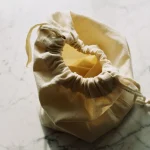
- For ongoing maintenance: I keep a small fabric pouch filled with baking soda tucked into one of the pockets. I refresh it every month by dumping the old baking soda and refilling the pouch. That little trick keeps the whole organizer smelling fresh.
Need a faster fix? Mix baking soda with a few drops of your favorite essential oil (lavender, tea tree, lemon, all are good natural deodorizers) and sprinkle it in the pockets. Let it sit for an hour, then vacuum.
The oil adds a pleasant scent while the baking soda does the work.
Step 4: Try Cedar Shoe Trees or Cedar Chips
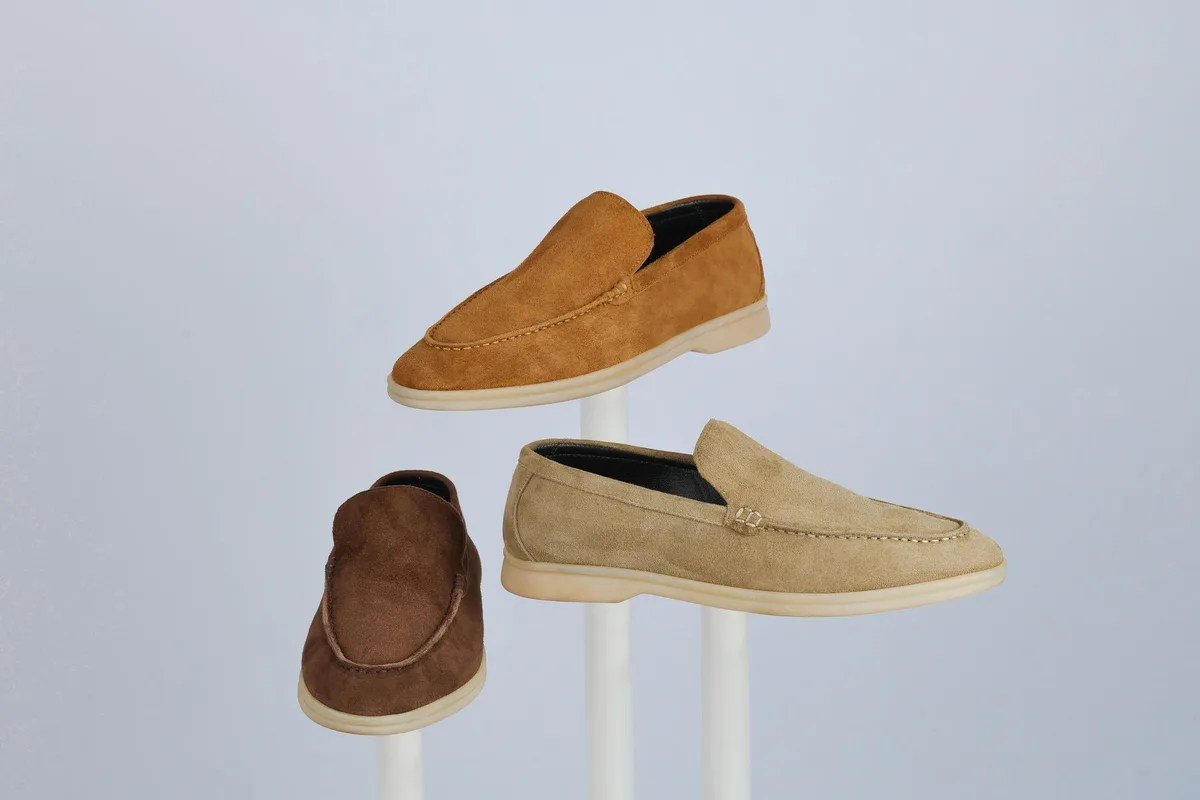
Cedar is a natural antimicrobial and absorbs moisture. It’s a classic solution for shoe closets, but it works just as well inside a shoe organizer.
- Cedar shoe trees are small blocks of red cedar shaped to fit inside shoes. Put one in each shoe, then place the shoes back in the organizer. The cedar pulls moisture out of the leather or fabric and releases a mild, woodsy scent. I’ve found that using cedar trees in every pair drastically reduces the overall smell in the organizer.
- Cedar chips are cheaper. Fill a small muslin bag with cedar chips and tuck it into one of the organizer pockets. You can also scatter a handful of chips in the bottom of the organizer (if it’s solid enough not to let them fall through). Replace the chips every few months when the scent fades.
Cedar is especially good for wood shoe organizers because it complements the natural material. Avoid using cedar with plastic organizers if you’re sensitive to the smell, it can be quite strong. But for most people, it’s a pleasant, clean aroma that neutralizes the stink.
Step 5: Use Sunlight and Fresh Air
This is the simplest, most overlooked method. Sunlight is a natural disinfectant. The UV rays kill bacteria and mold, and fresh air carries away volatile compounds that cause odor.
If your shoe organizer is portable, take it outside on a sunny, dry day. Let it sit in direct sunlight for a few hours. Turn it so every side gets exposure.
If you can’t take it outside, open a window nearby and let air circulate. A fan pointed at the organizer helps.
I do this once a month, even when the organizer doesn’t smell. It’s preventive care. Sunlight and air flow keep the moisture level down, which is the number one thing that starts the stink cycle.
Step 6: Address the Shoes Themselves
You can clean the organizer until it sparkles, but if you put smelly shoes back in, the smell will return within days. So you need to deodorize the shoes too.
For each pair:
- Sprinkle baking soda inside the shoes and let them sit overnight. Shake out the powder the next day.
- Freeze them. Yes, freezing kills odor-causing bacteria. Put each shoe in a sealed plastic bag and leave them in the freezer for 24 hours. Let them thaw completely before wearing. This works especially well for athletic shoes.
- Use shoe deodorizer sprays that contain enzymes or activated charcoal. I prefer unscented ones because they break down the odor molecules instead of just covering them.
- For leather shoes, wipe the inside with a cloth dampened with rubbing alcohol. It evaporates quickly and kills bacteria. Test on a small area first.
Once each pair is odor-free, store them in the organizer. And never put damp shoes back in. Let them air out for at least an hour after wearing before you stash them.
Step 7: Prevent Future Smells
The best way to take smell out of shoe organizer is to never let it get bad in the first place. A few habits make a huge difference:
- Air out shoes before storing. I keep a small mat next to my organizer. When I come home, I leave my shoes on the mat for an hour. Then I put them away.
- Use moisture absorbers. Silica gel packets or a container of activated charcoal placed inside the organizer will pull moisture from the air. Replace them when they feel damp.
- Don’t overload the organizer. If you cram too many pairs in, there’s no airflow. Airflow is your friend. Leave a little space between shoes.
- Clean the organizer every few months. Even if it doesn’t smell, give it a wipe-down or a wash. Prevention is easier than cure.
- Rotate your shoes. Avoid wearing the same pair two days in a row. Give them a day to dry out fully. This cuts down on the moisture that gets into the organizer.
What About Commercial Deodorizers and Sprays?
I get asked this a lot. Do those products work? Some do, some don’t.
Here’s what I’ve found:
- Enzymatic sprays (like those used for pet odors) are excellent for shoe organizers. They break down the organic matter that bacteria feed on. Spray them on the fabric or plastic, let them sit for 10 minutes, then wipe. They work on stubborn smells that baking soda alone can’t handle.
- Activated charcoal bags are great for continuous odor absorption. They’re reusable, just put them in the sun every month to recharge. I keep a small one in each section of my organizer.
- Avoid scented sprays that just mask odor. They often leave a sticky residue that traps more dirt and bacteria, making the problem worse over time. If you want a scent, use a few drops of essential oil on a cotton ball and tuck it in a pocket.
The U.S. Environmental Protection Agency has good guidance on controlling mold and mildew in indoor spaces. The same principles apply to your shoe organizer: dry it out, clean it, and keep it dry.
When to Replace the Shoe Organizer
Sometimes, no matter what you do, the smell won’t come out. Fabric organizers that have been soaked repeatedly or have mold deep in the stitching are a lost cause. Plastic organizers can develop micro-cracks that trap bacteria.
Wooden organizers that have been wet for a long time may have rot inside.
If you’ve tried washing, baking soda, cedar, sunlight, and enzymatic cleaners, and the smell still lingers after a week, it’s time to replace it. Your nose is telling you the material is compromised. Don’t keep fighting it.
A new shoe organizer is cheaper than a pile of smelly shoes.
Frequently Asked Questions
Can I use bleach to clean a shoe organizer?
Only on white, bleach-safe fabrics. For most organizers, bleach is too harsh. It can damage colors, break down fibers, and leave a strong chemical smell that’s hard to remove.
Stick to white vinegar or hydrogen peroxide for a safer disinfectant.
How often should I clean my shoe organizer?
I recommend a deep clean every three to four months. If you live in a humid climate or wear athletic shoes daily, bump that up to every two months. Quick maintenance (sprinkling baking soda, airing out) can be done once a month.
Will a shoe organizer smell come back after cleaning?
It can, if you don’t address the root cause. The biggest factor is moisture. If you keep putting damp shoes in, the smell will return within weeks.
Fix the moisture problem, and the smell stays gone.
What’s the best way to deodorize canvas shoe organizers?
Wash them in the machine with white vinegar, then air dry in direct sunlight. After that, sprinkle baking soda in each pocket and leave it for 24 hours. Vacuum out.
The combination of vinegar, sun, and baking soda is almost unbeatable.
Final Practical Checklist
Here’s a quick rundown you can follow next time your shoe organizer starts smelling:
- Empty it completely.
- Wash or wipe down the organizer (method depends on material).
- Dry it thoroughly, use a fan or sunlight.
- Sprinkle baking soda in all pockets, leave overnight, vacuum.
- Treat each shoe with baking soda, freezing, or deodorizer.
- Place cedar products or charcoal bags inside.
- Keep the organizer in a dry, well-ventilated spot.
- Never store damp shoes.
- Deep clean every three months.
That’s the whole system. It’s not complicated, but it does require consistency. The good news is that once you get the smell out and set up those preventive habits, you may never have to deal with a stinky shoe organizer again.
I’ve been using this routine for years, and it works every time.
Now go ahead, open that organizer, take a deep breath, and fix it. You’ve got all the tools you need.


Similar Posts