How to Use Baking Soda and Vinegar for Kitchen Sink Clog
The baking soda and vinegar kitchen sink clog solution is a tried-and-true method. We’ll cover how to use baking soda and vinegar for kitchen sink clogs.
How to Use Baking Soda and Vinegar for Kitchen Sink Clog
That dreaded gurgle. The slow drain. A full-blown kitchen sink clog is more than just an annoyance; it’s a disruption to your daily routine.
Before you reach for harsh chemicals or call an expensive plumber, consider a surprisingly effective, eco-friendly, and budget-friendly solution: baking soda and vinegar.
Many homeowners think these pantry staples are only good for baking. But these humble ingredients pack a powerful punch when it comes to clearing stubborn sink blockages. This guide will walk you through exactly how to use baking soda and vinegar for kitchen sink clogs.
You’ll learn the science behind why it works, the step-by-step process, and when this method is your best bet.
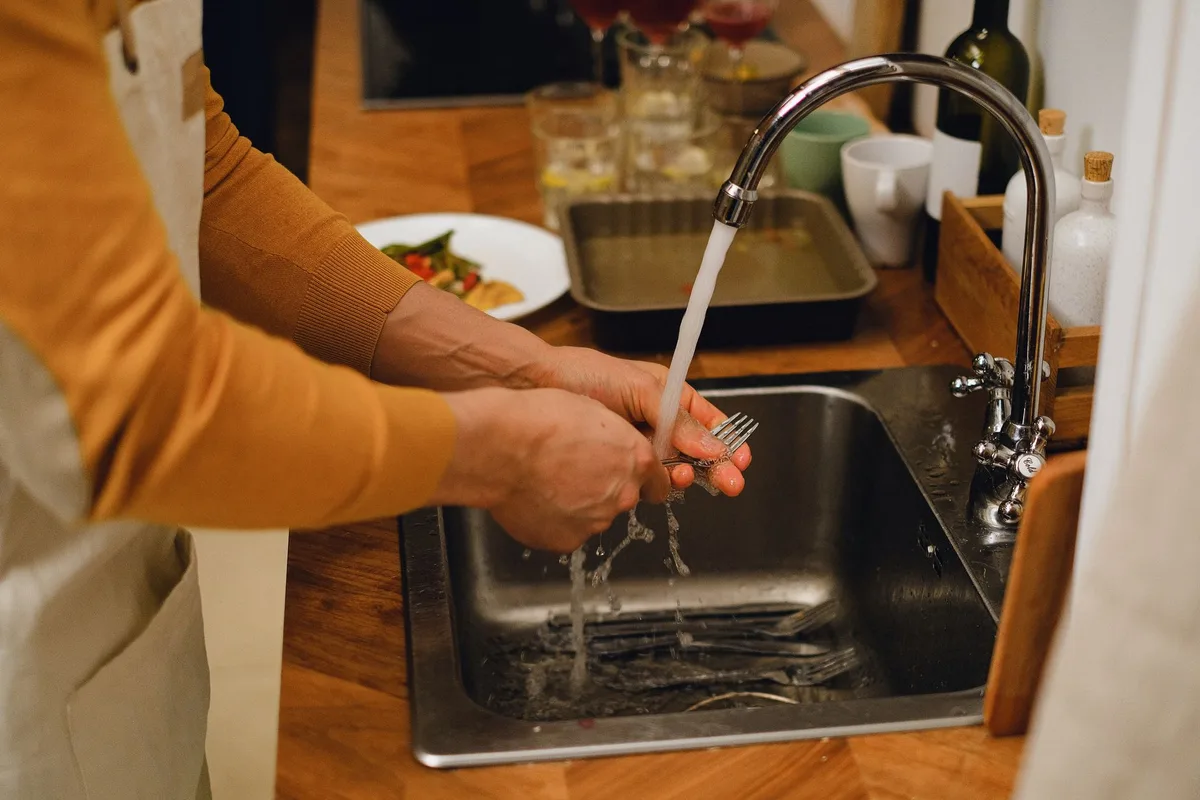
Image source: Pexels / Anna Shvets (Pexels License)
Why Baking Soda and Vinegar Work on Sink Clogs
It might seem like magic, but there’s a simple chemical reaction happening when you combine baking soda and vinegar. It’s all about acid-base neutralization and creating a fizzy, expanding foam.
Baking soda, or sodium bicarbonate, is a base. Vinegar, typically white vinegar, is an acid (acetic acid). When you mix them, they react vigorously.
This reaction produces carbon dioxide gas, water, and sodium acetate. The carbon dioxide gas is what causes the fizzing and bubbling. This bubbling action is crucial.
It helps to break down and dislodge the gunk, grease, and food particles that are causing the clog.
Think of it like a miniature volcanic eruption happening right in your drainpipe. This potent combination can loosen grease, grime, soap scum, and even some softened food debris. The fizzy foam can penetrate and agitate the clog, making it easier for water to eventually flush it away.
It’s a much gentler approach than corrosive chemical drain cleaners, which can damage your pipes over time.
Preparing Your Kitchen Sink for the Baking Soda and Vinegar Treatment
Before you start pouring anything down the drain, a little preparation goes a long way. This ensures the baking soda and vinegar can work directly on the clog and not get diluted or washed away too quickly.
Step 1: Clear Standing Water
If your sink is full of standing water, you need to remove as much of it as possible. A cup or bowl works well for this. You can also use a wet/dry vacuum if you have one.
Removing the standing water allows the baking soda and vinegar to sit directly on the clog. This makes the reaction more effective.
Step 2: Gather Your Supplies
You’ll need a few common household items:
- Baking Soda: About 1/2 cup to 1 cup.
- White Vinegar: About 1/2 cup to 1 cup.
- Boiling Water: A kettle or pot full.
- A Sink Stopper or Rag: To cover the drain.
- A Funnel (Optional): For easier pouring.
- Gloves (Optional): To protect your hands.
Step 3: Perform a Quick Initial Flush (Optional but Recommended)
If there’s a lot of food debris visible at the drain opening, try to remove it first. A pair of tongs or a gloved hand can help. Sometimes, just removing loose bits can ease the pressure.
The Step-by-Step Baking Soda and Vinegar Drain Cleaning Process
Now that your sink is prepped, it’s time for the main event. Follow these steps carefully for the best results.
Step 1: Pour Baking Soda Down the Drain
Start by pouring about 1/2 cup to 1 cup of baking soda directly into the drain opening. If you have a particularly stubborn clog, you might want to use the full cup. A funnel can make this easier, especially if your drain has a tight opening.
Try to get as much of the baking soda as far down the pipe as possible.
Step 2: Follow with Vinegar
Next, pour an equal amount of white vinegar (1/2 cup to 1 cup) after the baking soda. You’ll immediately see and hear the reaction, fizzing and bubbling. This is exactly what you want.
The mixture will start to work its way into the clog.
Step 3: Cover the Drain
As soon as you’ve poured the vinegar, cover the drain opening with a sink stopper or a damp rag. This is crucial! It traps the carbon dioxide gas produced by the reaction, forcing it down into the pipes to break up the clog.
If the gas escapes, the process is much less effective.
Step 4: Let It Sit and Work
Allow the baking soda and vinegar mixture to sit in the drain for at least 15-30 minutes. For tougher clogs, you can let it sit for up to an hour. During this time, the fizzing action is breaking down the debris.
The longer it sits, the more time it has to work.
Step 5: Flush with Boiling Water
After the waiting period, remove the stopper or rag. Carefully pour a kettle full of boiling water directly down the drain. This hot water will help to flush away the loosened clog and any remaining baking soda and vinegar residue.
Go slowly and pour steadily. Be cautious of splashing.
What to Expect and When to Repeat
You might see immediate improvement. The water might drain faster, or the gurgling might stop. However, some clogs are more persistent.
If the clog isn’t completely cleared after the first attempt, don’t despair. You can repeat the entire process, baking soda, vinegar, cover, wait, and flush with boiling water, one or two more times. Sometimes, it takes a couple of rounds to fully tackle a significant blockage.
Important Note: This method is best for organic clogs. This means things like food scraps, grease, soap scum, and hair. It’s less effective for solid objects that might have fallen into the drain.
When Baking Soda and Vinegar Might Not Be Enough
While baking soda and vinegar are fantastic for many common kitchen sink clogs, they aren’t a miracle cure for everything. There are times when you might need to consider other options.
Stubborn or Deeply Ingrained Clogs
If you’ve tried the baking soda and vinegar method multiple times and the drain is still slow or completely blocked, the clog might be too dense or too far down the pipe for this DIY solution to reach.
Solid Obstructions
Did a small toy, a piece of plastic, or something similar fall down the drain? Baking soda and vinegar can’t dissolve non-organic materials. In these cases, you might need to manually remove the object if possible, or a plumber will be your next step.
Older Pipes or Delicate Plumbing
While generally safe, if you have very old, corroded, or particularly delicate plumbing, you might want to exercise caution. The vigorous bubbling and hot water could potentially put stress on weakened pipes. If you’re unsure, consulting a professional is always a wise choice.
Repeated Clogging Issues
If your kitchen sink clogs frequently, simply clearing a blockage might not be enough. This indicates an underlying issue. It could be a problem with your garbage disposal, an issue further down the main drain line, or even improper pipe slope.
In such cases, a plumber can diagnose the root cause.
Alternative Methods (If Baking Soda and Vinegar Isn’t Cutting It)
If the baking soda and vinegar just aren’t doing the trick, here are a couple of other DIY approaches worth considering before calling a professional.
Using a Plunger
A sink plunger is a surprisingly effective tool for many clogs. Ensure there’s enough water in the sink to cover the rubber cup of the plunger. Create a tight seal around the drain.
Give several strong, rapid pumps. The suction and pressure can often dislodge the blockage. This is a good next step if baking soda and vinegar didn’t quite finish the job.
Using a Drain Snake or Auger
For clogs that are a bit deeper or more solid, a drain snake (or auger) can be very useful. You feed the flexible metal cable down the drain until you hit the obstruction. Then, you crank the handle to hook or break up the clog, allowing you to pull it out or break it into smaller pieces.
This tool requires a bit more manual effort but can be very effective for tougher jobs.
Frequently Asked Questions About Using Baking Soda and Vinegar for Clogs
You’ve got questions, and we’ve got answers. Here’s what people often wonder about this popular drain-cleaning method.
Q: How much baking soda and vinegar should I use?
A: A good starting point is 1/2 cup of baking soda followed by 1/2 cup of white vinegar. If that doesn’t work, you can increase it to 1 cup of each. The key is the reaction, so maintaining a roughly equal ratio is helpful.
Q: How long should I leave the baking soda and vinegar in the drain?
A: At least 15-30 minutes is recommended to allow the fizzing action to break down the clog. For more stubborn blockages, letting it sit for up to an hour can provide better results.
Q: Can I use apple cider vinegar instead of white vinegar?
A: Yes, you can use apple cider vinegar, but white vinegar is typically preferred. White vinegar is a stronger acid and less likely to contain sugars or other components that could potentially add to drain gunk over time. For a simple clog removal, either will work due to the acid-base reaction.
Q: Is this method safe for all types of pipes?
A: In most cases, yes. Baking soda and vinegar are generally considered safe for most common plumbing materials, including PVC, copper, and galvanized steel. However, if you have very old or fragile pipes, proceed with caution or consult a plumber.
It’s much safer than commercial chemical drain cleaners.
Q: What if the baking soda and vinegar aren’t working at all?
A: If you’ve tried the method multiple times and the drain remains clogged, the blockage may be too severe or caused by something the baking soda and vinegar can’t break down, like a solid object. At this point, you might need to use a plunger, a drain snake, or call a professional plumber. This method can be a great first step for clearing drain blockages.
Q: Can I use this for my bathroom sink or tub drain too?
A: Absolutely! The baking soda and vinegar method is effective for most household drains, including those in the bathroom. The types of clogs are often similar (hair, soap scum).
You might find our guide on filter maintenance helpful for other household appliances.
The Eco-Friendly and Economical Way to Keep Drains Flowing
Tackling kitchen sink clogs doesn’t have to involve harsh chemicals or costly calls to the plumber. The humble duo of baking soda and vinegar offers a powerful, natural, and affordable alternative. By understanding the simple science behind the fizz and following these straightforward steps, you can effectively clear most common kitchen sink clogs and prevent future backups.
Remember to address recurring clogs promptly to maintain the health of your plumbing system. You might also find that regular seasonal prep for your home’s plumbing can help prevent many minor issues.
This DIY approach not only saves you money but also reduces the environmental impact associated with chemical drain cleaners. So next time you hear that tell-tale gurgle, reach for your pantry staples and give baking soda and vinegar a try. It’s a simple solution that often delivers surprisingly impressive results.
For other household maintenance tips, including information on how often should you replace vacuum filter to keep your home running smoothly, explore our blog.


Similar Posts