Why Are Cordless Vacuums So Expensive?
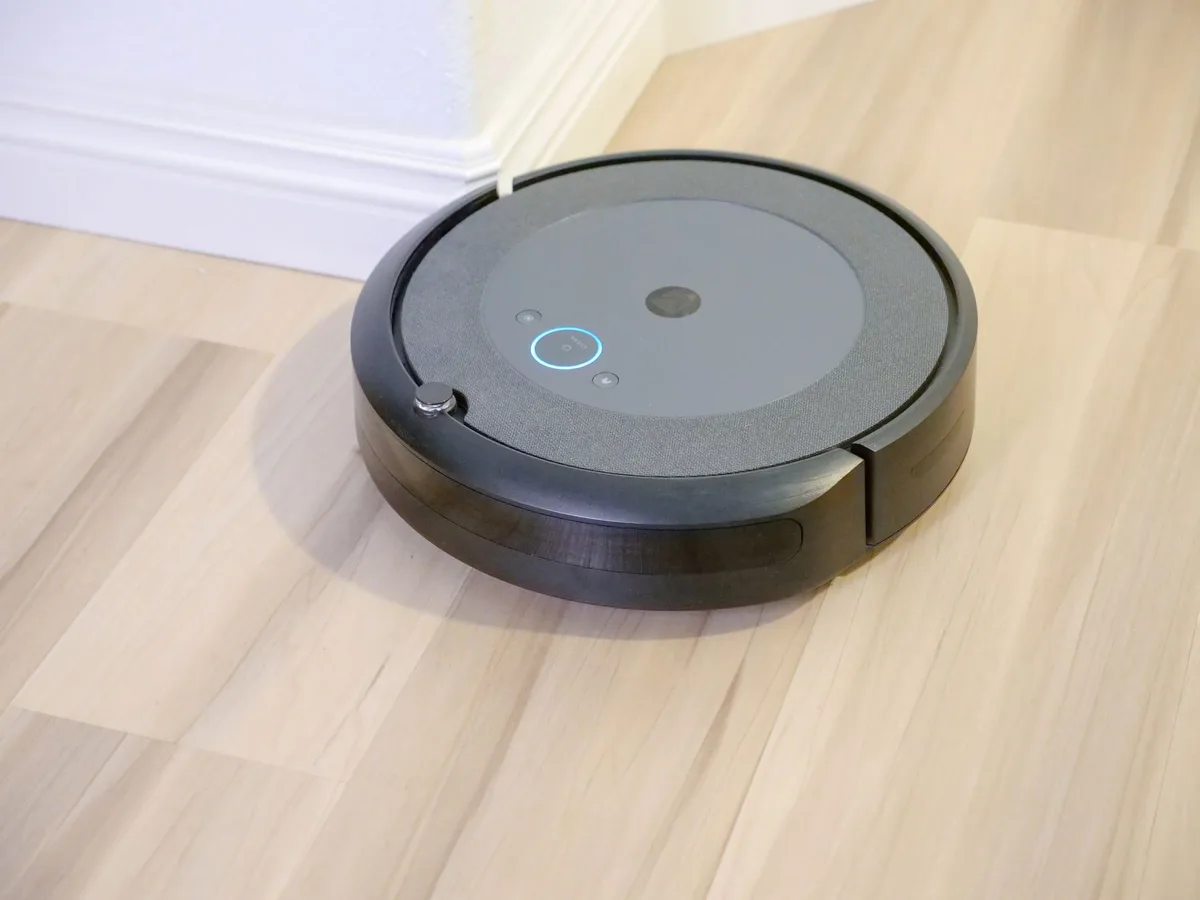
You pull a cordless vacuum off the shelf, check the price tag, and immediately put it back. Six hundred dollars for something that picks up crumbs? It feels like a rip-off.
But it’s not entirely the brand’s fault. The truth is that cordless vacuums are expensive because they’re solving a genuinely hard engineering problem.
So why are cordless vacuums so expensive? The short answer: they pack a powerful motor, a sophisticated battery, and a lightweight frame into a device that fits in your closet. In our research, we found that the battery alone can account for 20 to 30 percent of the retail price.
As of 2026, premium models still hover between $500 and $900. That’s real money. Here’s the breakdown of what you’re paying for and whether it’s worth it.
Quick Answer
Cordless vacuums cost more because they require advanced battery technology, brushless motors, and compact engineering. Each of those components is genuinely expensive to design and manufacture. You’re paying for convenience, not just cleaning power.
A corded vacuum at the same price will almost always outperform it.
The Core Physics Problem: Why Cordless Is Harder Than Corded
A corded vacuum has one huge advantage. It draws unlimited power from your wall outlet. That means the motor can be bigger, heavier, and less efficient.
It doesn’t matter. The electricity never runs out.
A cordless vacuum doesn’t get that luxury. It has to generate strong suction using only the energy stored in a small battery. That battery needs to fit inside the handle or the base.
It needs to stay light enough that you can lift the vacuum above your head. And it needs to last at least 20 minutes on a single charge.
That’s a brutal set of constraints.
To make it work, manufacturers have to use premium components. Standard motors are too heavy and inefficient. Standard batteries can’t deliver enough current without overheating.
Standard filters clog too quickly and kill suction. Every part has to be redesigned around the power limitation. That engineering costs money, and it’s baked into every price tag you see.
Our research shows this is the fundamental reason cordless vacuums cost more. It’s not a mystery markup. It’s the physics of packing power into something you hold in one hand.
Battery Technology Is the Biggest Cost Driver
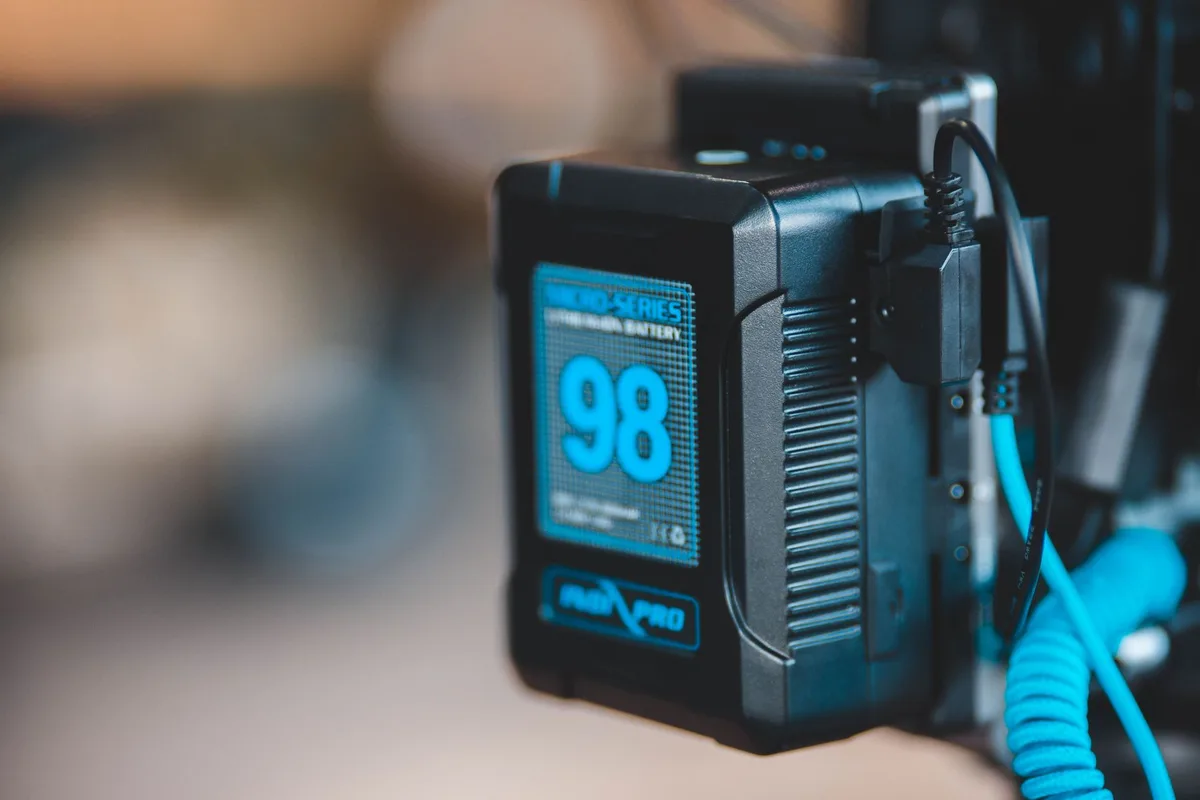
The battery is the most expensive single component in a cordless vacuum. We’re not talking about the AA batteries in your remote. These are high-drain lithium-ion packs with sophisticated management systems.
Here’s what you’re paying for:
- High-quality lithium-ion cells. These are the same grade used in power tools and electric vehicles. Cheap cells can’t handle the high discharge rate a vacuum motor demands.
- Battery management circuitry. A good vacuum monitors temperature, charge cycles, and voltage. This keeps the battery safe and extends its life.
- Removable battery housings. If the battery is replaceable, you’re paying for the connectors, latches, and design work that makes that possible.
Replacement batteries alone cost anywhere from $80 to $150. That’s a significant chunk of the vacuum’s total price. And it’s a recurring cost.
Lithium-ion batteries degrade over time. After two to three years of regular use, you’ll likely need a new one.
Brushless Motors: Small but Expensive
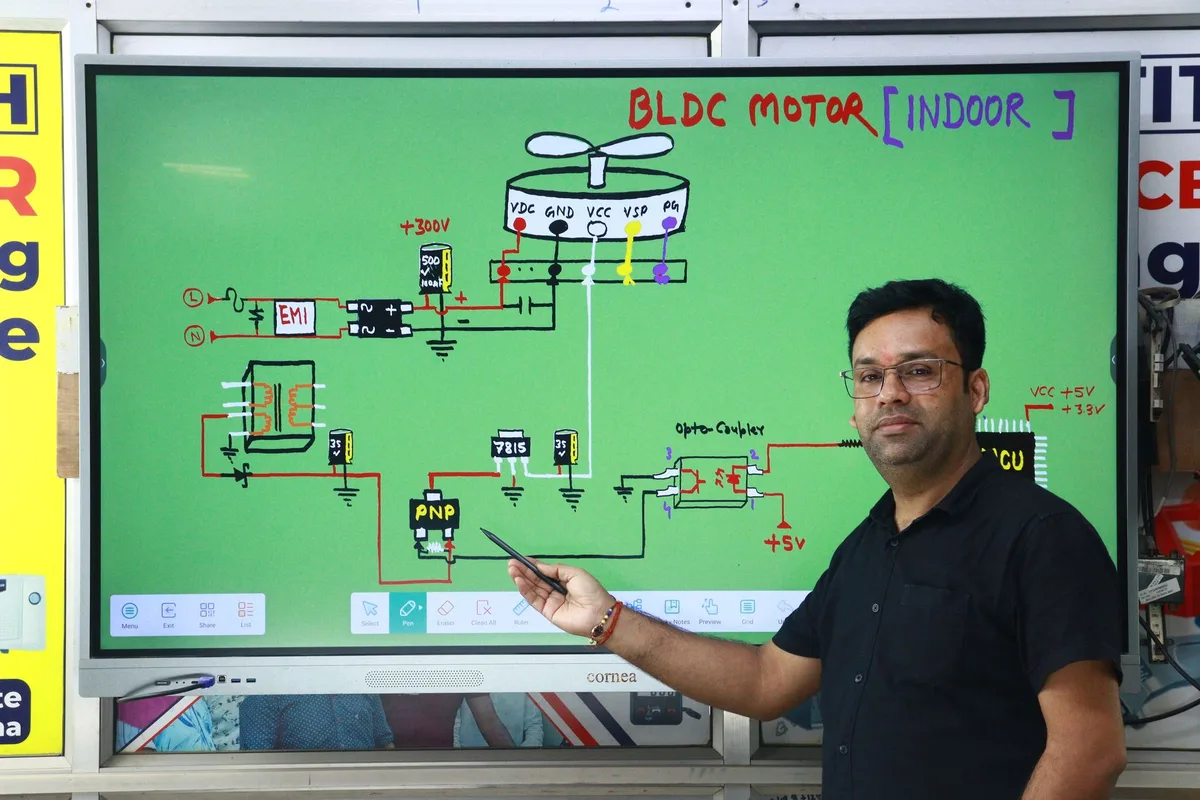
The motor inside a cordless vacuum is a technological marvel. Older vacuums used universal motors. They were heavy, loud, and inefficient.
Modern cordless vacuums use brushless DC motors that spin at incredible speeds.
We’re talking 60,000 to 125,000 RPM.
That’s faster than many industrial machines. To achieve that in a package the size of a soda can, manufacturers need precision engineering. The rotor, the stator, the bearings, all of it has to be manufactured to tight tolerances.
Brushless motors are also more efficient. They waste less energy as heat. That means more of the battery’s power actually goes into suction.
But that efficiency comes at a cost. A high-end brushless motor can cost a manufacturer $40 to $80. A standard motor in a budget corded vacuum might cost $10 to $15.
Cyclonic Separation and Engineering Costs
You’ve seen the clear plastic cyclones on premium vacuums. They’re not just a gimmick. Cyclonic separation uses centrifugal force to remove dirt and debris from the airflow before it reaches the filter.
This keeps the filter cleaner and maintains suction over time.
But it’s not simple to engineer.
The airflow channels need to be precisely shaped. The cone geometry has to be exact. Even small imperfections can reduce the cyclone’s effectiveness.
That’s why cheap vacuums use simple mesh filters. They’re easier to design and cheaper to produce. They just clog fast and lose suction quickly.
Manufacturer specifications indicate that premium cyclonic designs require significantly more mold precision and testing. That cost shows up on the shelf.
Breaking Down the Price Tag: Where Your Money Goes
Let’s talk real numbers. A $500 cordless vacuum isn’t priced arbitrarily. Here’s a rough breakdown of where that money goes.
| Component | Estimated Share of Price |
|---|---|
| Battery and electronics | 20–30% |
| Brushless motor | 10–15% |
| Cyclonic assembly and filters | 10–15% |
| Housing, wand, and attachments | 10–15% |
| Research, testing, and tooling | 15–20% |
| Marketing, warranty, and overhead | 20–30% |
These aren’t exact figures. They vary by brand and model. But this framework helps explain why you can’t get a quality cordless vacuum for $99.
Battery and Motor Costs
We’ve already covered these in detail. They’re the two priciest components, and they’re the ones that determine whether a vacuum performs well or feels like a toy.
Design and Miniaturization
Here’s something people forget. Fitting a motor, battery, cyclone, filter, and dustbin into a slim stick vacuum is hard. It’s not like building a corded upright where you have space to work with.
The product needs to be:
- Balanced so it doesn’t tip over
- Light enough for overhead cleaning
- Slim enough to reach under furniture
- Durable enough to survive daily bumps
That requires custom plastic tooling, careful component placement, and significant testing. Tooling for a single vacuum mold can cost hundreds of thousands of dollars. That cost gets amortized across every unit sold.
Brand Premiums and Marketing
Let’s be honest. Some of the price is branding.
Big names spend heavily on advertising. They sponsor shows, run social campaigns, and pay for shelf placement. Those costs end up in the product price.
Our research shows that off-brand vacuums with similar specs can cost 30 to 50 percent less than their branded counterparts.
The trade-off is usually support. Branded vacuums come with better warranties, more accessible replacement parts, and more consistent quality control. That’s worth something.
Just know what you’re paying for.
What Different Price Points Actually Get You
Not all cordless vacuums are created equal. The price range is wide, and it maps directly to performance and longevity.
Under $150
At this price, you’re getting a basic cordless vacuum. Expect:
- 15 to 25 minutes of runtime
- Lower suction power
- Simple mesh filters that clog quickly
- Sealed batteries that can’t be replaced
- Good for hard floors, weak on carpet
This tier is fine for quick kitchen cleanups. It’s not a real replacement for a full-size vacuum.
$150–$300
This is the sweet spot for apartments and small homes. In our research, this range typically includes:
- Removable batteries
- Better suction (100, 150 Air Watts)
- Improved filtration
- Low-pile carpet capability
- 30 to 40 minutes of runtime
These vacuums handle daily messes well. They’re a genuine upgrade over the budget tier.
$300–$500
Now we’re getting into serious performance territory. Expect:
- 40 to 60 minutes of runtime
- Stronger brushless motors
- Multi-surface cleaning heads
- Better build quality and materials
- Helpful accessories like crevice tools and mini motorized brushes
This is where most homeowners should focus. The value-to-dollar ratio is strong.
$500 and Up
At the flagship level, you’re paying for the last 10 percent of improvement. That includes:
- Higher Air Watts (200+)
- Advanced LCD displays
- Auto-adjusting suction
- Premium materials and finish
- Slightly longer runtime
The floor will not be meaningfully cleaner than a $400 model. You’re paying for refinement, brand, and sometimes features you won’t use.
Cordless vs. Corded: Honest Comparison
You might be wondering if you should just buy a corded vacuum instead. It’s a fair question.
Power and Suction Differences
A corded vacuum at $200 will outperform a cordless vacuum at $400. That’s not an exaggeration. The unlimited power supply means the motor can be larger and more aggressive.
Corded vacuums also have bigger dustbins and longer cleaning sessions. There’s no runtime anxiety. You can vacuum the whole house without stopping.
Convenience and Usability Trade-offs
But power isn’t everything. Corded vacuums are:
- Heavier and bulkier
- Tethered to an outlet
- More hassle to pull out for quick messes
- Annoying on stairs
Cordless vacuums remove those frustrations. You grab it, use it, and put it back. That convenience often means you clean more often.
Long-Term Costs and Longevity
Corded vacuums generally last longer. They have simpler electronics and no battery to degrade. A $200 corded vacuum can easily last 10 years.
Cordless vacuums have a harder life. Batteries wear out. Motors are more complex.
Replacement parts cost more. After three to five years, you’re making decisions about whether to repair or replace.
When a Cordless Vacuum Is Worth the Money
Here’s the honest answer. A cordless vacuum is worth it if it changes your cleaning behavior.
If you hate dragging out a corded vacuum, you’ll vacuum less. A cordless model sitting on a wall mount makes it easier to clean up crumbs right after dinner. That’s real value, even if it’s hard to quantify.
Best Use Cases for Cordless Models
- Apartments and small homes. Under 1,000 square feet, a cordless vacuum handles everything.
- Stairs. Carrying a corded vacuum up and down is miserable. Cordless is genuinely better.
- Quick daily cleanups. Pet hair, crumbs, and dust bunnies don’t wait for weekly vacuuming.
- Multi-floor homes. Keep one on each level for quick touch-ups.
When You Should Stick With Corded
- Large homes with wall-to-wall carpet. Runtime and bin capacity become real problems.
- Heavy pet hair on deep piles. Cordless suction often isn’t enough.
- Tight budgets. A corded vacuum will always give you more performance per dollar.
Common Mistakes to Avoid When Buying
The cordless vacuum market is full of traps. Here are the ones we see most often.
Overpaying for “Smart” Features
LCD screens are nice. App connectivity is cool. Neither makes your floor cleaner.
These features add $50 to $150 to the price without improving suction, runtime, or usability.
Ignoring Replacement Part Costs
That $300 vacuum might seem like a deal until you discover the filters cost $50 and the battery is $120. Always check replacement part prices before you commit. They should factor into your decision as much as the sticker price.
Buying Based on Peak Power, Not Real-World Runtime
Manufacturers love advertising “up to 60 minutes of runtime.” That’s usually measured on hard floors at the lowest power setting. Real-world use cuts that in half, especially on carpets. Look for “run time at max suction” numbers instead.
Hidden Costs You Should Know About
Beyond the purchase price, there are costs that sneak up on you.
Replacement Batteries
Plan on replacing the battery every two to three years. Depending on the brand, that’s $80 to $150. Some models make it easy.
Others require tools or even full disassembly.
Filters and Rollers
Washable filters eventually need replacement. Brush rolls wear out, especially if you have pets. Hair wraps around the roller and damages it over time.
Budget for these consumables.
Accessories That Add Up
The base model often lacks essentials. Want a crevice tool? A mini motorized brush?
A second battery? Those are extra. Accessory kits can easily add $100 to your total.
Expert Tips for Getting the Most Value
Based on aggregate buyer feedback, here are the smart moves.
Which Features Are Worth Extra Money
- Removable batteries. This is non-negotiable. It extends the vacuum’s life significantly.
- HEPA filtration. Worth it if you have allergies or pets.
- Washable filters. Saves money in the long run.
- LED headlights on the cleaner head. Surprisingly useful under furniture.
How to Test Before You Buy
Some vacuum stores let you handle models. If the motor feels weak at floor level, it will feel weaker at home. Listen to the noise too.
A high-pitched whine often indicates strain.
When to Wait for Sales
Cordless vacuums regularly hit 20 to 30 percent off during major sales events. If you’re not in a rush, patience pays off.
Maintenance Tips to Protect Your Investment
A cordless vacuum is a machine. It needs care. Proper maintenance keeps it performing well and extends its life.
Battery Care Best Practices
- Don’t leave it on the charger constantly. It’s fine occasionally, but continuous trickle charging stresses the cells.
- Avoid extreme temperatures. Heat is the enemy of lithium-ion. Don’t store it in a hot garage or attic.
- Run the battery down regularly. Lithium-ion batteries prefer partial discharge cycles.
Cleaning and Filter Maintenance
- Empty the dustbin after every session. A full bin reduces suction.
- Wash the filter every one to two months. Follow the manufacturer’s instructions. Let it dry completely before reinstalling.
- Clear hair from the brush roll weekly. Hair wraps tightly and can damage the motor over time.
When to Replace Parts
- Battery. When the vacuum runs less than half its original time, it’s time.
- Filter. When washing doesn’t restore suction, replace it.
- Brush roll. When the bristles are worn or matted, it’s not cleaning effectively.
Frequently Asked Questions
Why are Dyson vacuums so much more expensive than other brands?
Dyson charges a premium for its engineering and design, plus aggressive marketing and a well-known brand. You’re also paying for a strong warranty and readily available replacement parts. The performance difference exists, but it’s smaller than the price difference suggests.
Are expensive cordless vacuums actually better?
Yes, but with diminishing returns. A $400 model is meaningfully better than a $150 one. A $700 model is only slightly better than a $500 one.
The biggest performance jumps happen in the mid-range price tier.
How long should a cordless vacuum last?
Expect three to five years for the whole unit. The battery will likely need replacement after two to three years. With regular maintenance and a new battery, a quality cordless vacuum can last seven years or more.
Is it cheaper to buy a corded vacuum instead?
Yes, both upfront and over time. Corded vacuums cost less, require fewer replacement parts, and last longer. The real trade-off is convenience.
You’ll clean less often because it’s more effort to use.
Final Verdict: What Should You Buy?
Cordless vacuums are expensive because they’re genuinely advanced machines. The battery, motor, and engineering costs add up fast.
But you don’t need to spend $700 to get a good one.
Budget Guidance Based on Your Home
- Small apartment, hard floors. $200 to $300 is plenty.
- Medium home, mixed flooring. $300 to $500 gives you the best balance.
- Large home, mostly carpet. Consider a high-end cordless or a good corded model.
- Tight budget. Buy a corded vacuum and save your money.
The Smart Shopping Checklist
Before you buy, verify these four things:
- The battery is removable. This one feature extends the vacuum’s lifespan more than anything else.
- Replacement filters are affordable. Aim for $20 or less.
- The runtime on max power meets your needs. Ignore “eco mode” numbers.
- The vacuum is under warranty. At least two years is ideal.
Stick to that list, and you’ll find a cordless vacuum that feels worth every dollar.
When a Cordless Vacuum Is Worth the Money
A cordless vacuum earns its price tag when it changes how often you clean. That’s the real metric. If you vacuum more because the machine is easy to grab, the cost justifies itself.
Best Use Cases for Cordless Models
- Apartments and small homes. Under 1,000 square feet, a cordless vacuum handles everything.
- Stairs. Carrying a corded vacuum up and down is miserable. Cordless is genuinely better.
- Quick daily cleanups. Pet hair, crumbs, and dust don’t wait for weekly vacuuming.
- Multi-floor homes. Keep one on each level for fast touch-ups.
When You Should Stick With Corded
- Large homes with wall-to-wall carpet. Runtime and bin capacity become real problems.
- Heavy pet hair on deep piles. Cordless suction often isn’t enough.
- Tight budgets. A corded vacuum always gives more performance per dollar.
Common Mistakes to Avoid When Buying
The cordless market is full of traps. Here are the ones we see most often.
Overpaying for “Smart” Features
LCD screens are nice. App connectivity is cool. Neither makes your floor cleaner.
These features add $50 to $150 without improving suction or runtime.
Ignoring Replacement Part Costs
That $300 vacuum seems like a deal until filters cost $50 and the battery is $120. Check replacement prices before you commit. They matter as much as the sticker price.
Buying Based on Peak Power, Not Real-World Runtime
Manufacturers advertise “up to 60 minutes of runtime.” That’s measured on hard floors at the lowest setting. Real-world use cuts that in half, especially on carpets. Look for “run time at max suction” instead.
Hidden Costs You Should Know About
Beyond the purchase price, costs sneak up on you.
Replacement Batteries
Plan on replacing the battery every two to three years. Depending on the brand, that’s $80 to $150. Some models make it easy.
Others require tools or full disassembly.
Filters and Rollers
Washable filters eventually need replacement. Brush rolls wear out, especially with pets. Hair wraps around the roller and damages it over time.
Budget for these consumables.
Accessories That Add Up
The base model often lacks essentials. Crevice tools, mini motorized brushes, and extra batteries are extras. Accessory kits can easily add $100 to your total.
Expert Tips for Getting the Most Value
Based on aggregate buyer feedback, here are the smart moves.
Which Features Are Worth Extra Money
- Removable batteries. Non-negotiable. This extends the vacuum’s life significantly.
- HEPA filtration. Worth it for allergies or pets.
- Washable filters. Saves money long-term.
- LED headlights on the cleaner head. Surprisingly useful under furniture.
How to Test Before You Buy
Some vacuum stores let you handle models. If the motor feels weak at floor level, it will feel weaker at home. Listen to the noise too.
A high-pitched whine often indicates strain.
When to Wait for Sales
Cordless vacuums regularly hit 20 to 30 percent off during major sales events. If you’re not in a rush, patience pays off.
Maintenance Tips to Protect Your Investment
A cordless vacuum is a machine. It needs care. Proper maintenance keeps it performing and extends its life.
Battery Care Best Practices
- Don’t leave it on the charger constantly. Continuous trickle charging stresses the cells.
- Avoid extreme temperatures. Heat is the enemy of lithium-ion batteries.
- Run the battery down regularly. Lithium-ion batteries prefer partial discharge cycles.
Cleaning and Filter Maintenance
- Empty the dustbin after every session. A full bin reduces suction.
- Wash the filter every one to two months. Let it dry completely before reinstalling.
- Clear hair from the brush roll weekly. Hair wraps tightly and can damage the motor.
When to Replace Parts
- Battery. When the vacuum runs less than half its original time, it’s time.
- Filter. When washing doesn’t restore suction, replace it.
- Brush roll. When bristles are worn or matted, it’s not cleaning effectively.
Frequently Asked Questions
Why are Dyson vacuums so much more expensive than other brands?
Dyson charges a premium for its engineering and design, plus aggressive marketing. You’re also paying for a strong warranty and readily available replacement parts. The performance difference exists, but it’s smaller than the price difference suggests.
Are expensive cordless vacuums actually better?
Yes, but with diminishing returns. A $400 model is meaningfully better than a $150 one. A $700 model is only slightly better than a $500 one.
The biggest performance jumps happen in the mid-range tier.
How long should a cordless vacuum last?
Expect three to five years for the whole unit. The battery will likely need replacement after two to three years. With regular maintenance and a new battery, a quality cordless vacuum can last seven years or more.
Is it cheaper to buy a corded vacuum instead?
Yes, both upfront and over time. Corded vacuums cost less, require fewer replacement parts, and last longer. The real trade-off is convenience.
You’ll clean less often because it’s more effort to use.
Final Verdict: What Should You Buy?
Cordless vacuums are expensive because they’re genuinely advanced machines. The battery, motor, and engineering costs add up fast. But you don’t need to spend $700 to get a good one.
Budget Guidance Based on Your Home
- Small apartment, hard floors. $200 to $300 is plenty.
- Medium home, mixed flooring. $300 to $500 gives the best balance.
- Large home, mostly carpet. Consider a high-end cordless or a good corded model.
- Tight budget. Buy a corded vacuum and save your money.
The Smart Shopping Checklist
Before you buy, verify these four things:
- The battery is removable. This one feature extends the vacuum’s lifespan more than anything else.
- Replacement filters are affordable. Aim for $20 or less.
- The runtime on max power meets your needs. Ignore “eco mode” numbers.
- The vacuum is under warranty. At least two years is ideal.
Stick to that list, and you’ll find a cordless vacuum that feels worth every dollar.
Frequently Asked Questions
Why are Dyson vacuums so much more expensive than other brands?
Dyson charges a premium for engineering, design, and aggressive marketing. You’re also paying for a strong warranty and readily available parts. The performance difference exists, but it’s smaller than the price gap suggests.
Are expensive cordless vacuums actually better?
Yes, but with diminishing returns. A $400 model is meaningfully better than a $150 one. A $700 model is only slightly better than a $500 one.
The biggest performance jumps happen in the mid-range tier.
How long should a cordless vacuum last?
Expect three to five years for the whole unit. The battery usually needs replacement after two to three years. With regular maintenance and a new battery, a quality cordless vacuum can last seven years or more.
Is it cheaper to buy a corded vacuum instead?
Yes, both upfront and over time. Corded vacuums cost less, need fewer replacement parts, and last longer. The real trade-off is convenience.
You’ll clean less often because it’s more effort to use.


Similar Posts