How Long Does a Robotic Vacuum Cleaner Last?
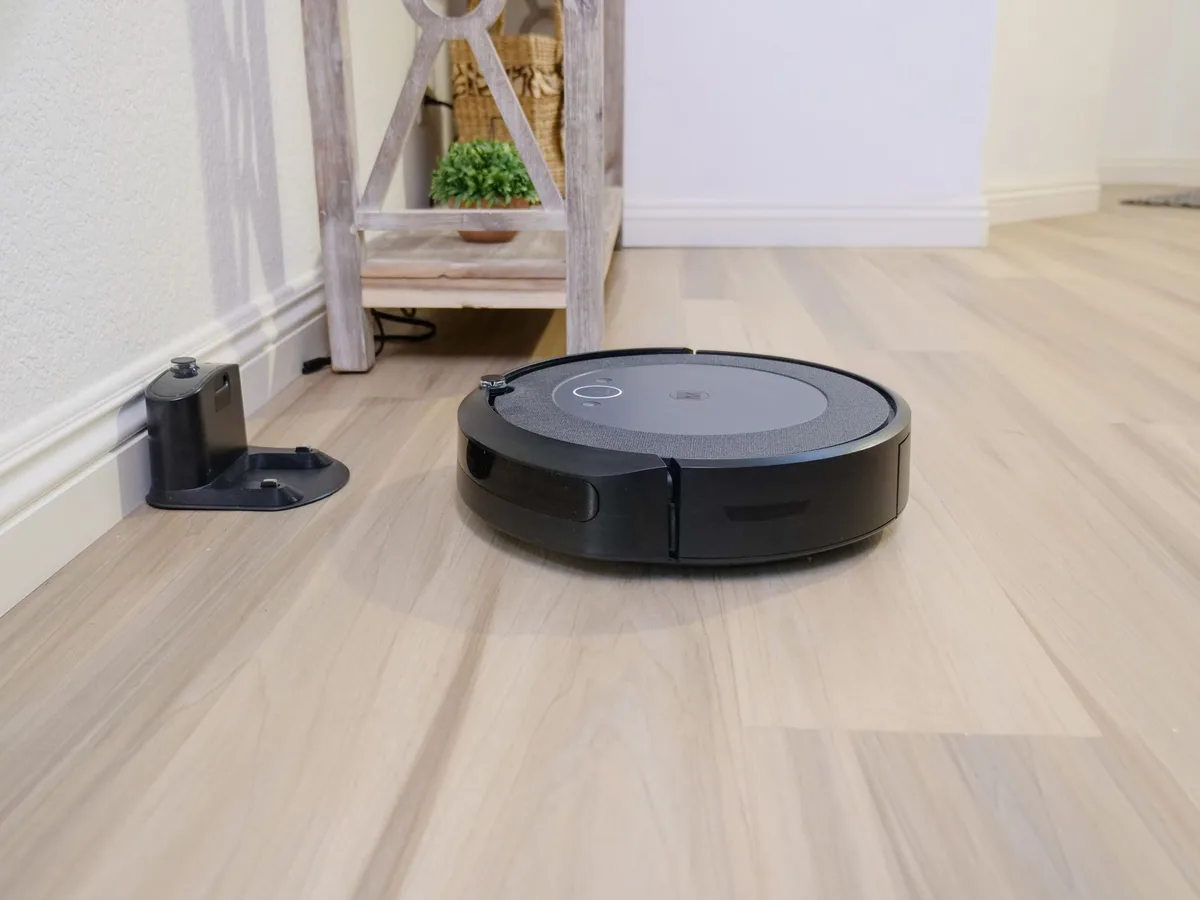
You’ve probably wondered if that little robot circling your living room will make it through another year, or if you’re just one more charge cycle away from pushing it into the trash. It’s a fair question, especially when a decent model costs anywhere from $200 to over $1,000. So, how long does a robotic vacuum cleaner last?
The honest answer is 3 to 5 years on average, but with the right care and a few smart choices, some premium models easily stretch past 6 or 7 years.
The difference comes down to battery chemistry, build quality, and how well you maintain it. Manufacturer specifications indicate that most robot vacuums are designed for 300 to 500 full charge cycles. After that, the lithium-ion battery starts losing capacity noticeably, which is often the first sign that your robot is nearing retirement.
Quick Answer
A robotic vacuum cleaner lasts 3 to 5 years on average. Budget models often fail around year two or three. Premium models with replaceable batteries can reach six or seven years.
The battery is the most common failure point, not the motor. Regular maintenance makes a significant difference in overall lifespan.
Why Robot Vacuums Die Early (And Why Some Last Longer)
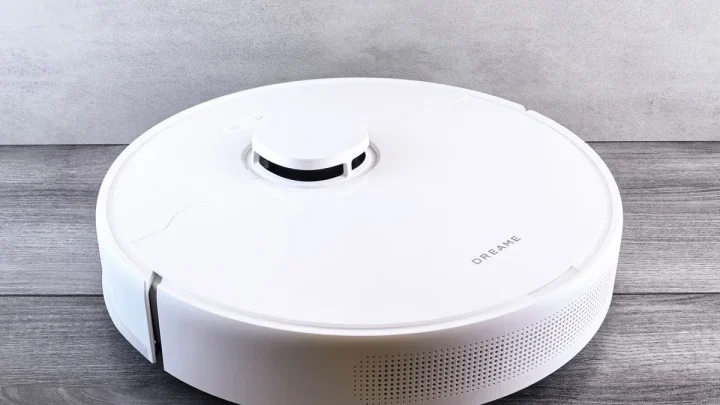
Robot vacuums are small machines doing a tough job. They pack a motor, a battery, sensors, and spinning brushes into a package smaller than a pizza box. That density creates heat, and heat kills electronics over time.
The most common reason a robot vacuum dies early is battery degradation. A lithium-ion battery in a robot vacuum survives roughly 300 to 500 charge cycles before its capacity drops below 80 percent. If you run your vacuum once daily, that’s about one to two years of solid use before you notice shorter runtimes.
If you run it every other day, you get closer to three years.
The second killer is neglect. Hair wraps around brush rolls. Filters clog.
Sensors get coated in dust. When the vacuum works harder to compensate, the motor strains and the battery drains faster. Aggregated user reviews consistently show that owners who clean their units monthly get significantly more life from them than those who don’t.
Premium models survive longer for three reasons. They use higher-grade lithium-ion cells that tolerate more charge cycles. They have better thermal management, so internal components stay cooler.
And they’re designed with replaceable parts, including batteries, brush rolls, and filters. That repairability is the single biggest factor between a robot that lasts three years and one that lasts seven.
Battery Life: The #1 Factor That Decides Everything
Battery health is the deciding factor in how long your robot vacuum lasts. When the battery dies, the vacuum technically still works. It just can’t hold enough charge to clean a full room, and that makes it useless in practice.
Lithium-Ion vs. NiMH: What It Means for Longevity
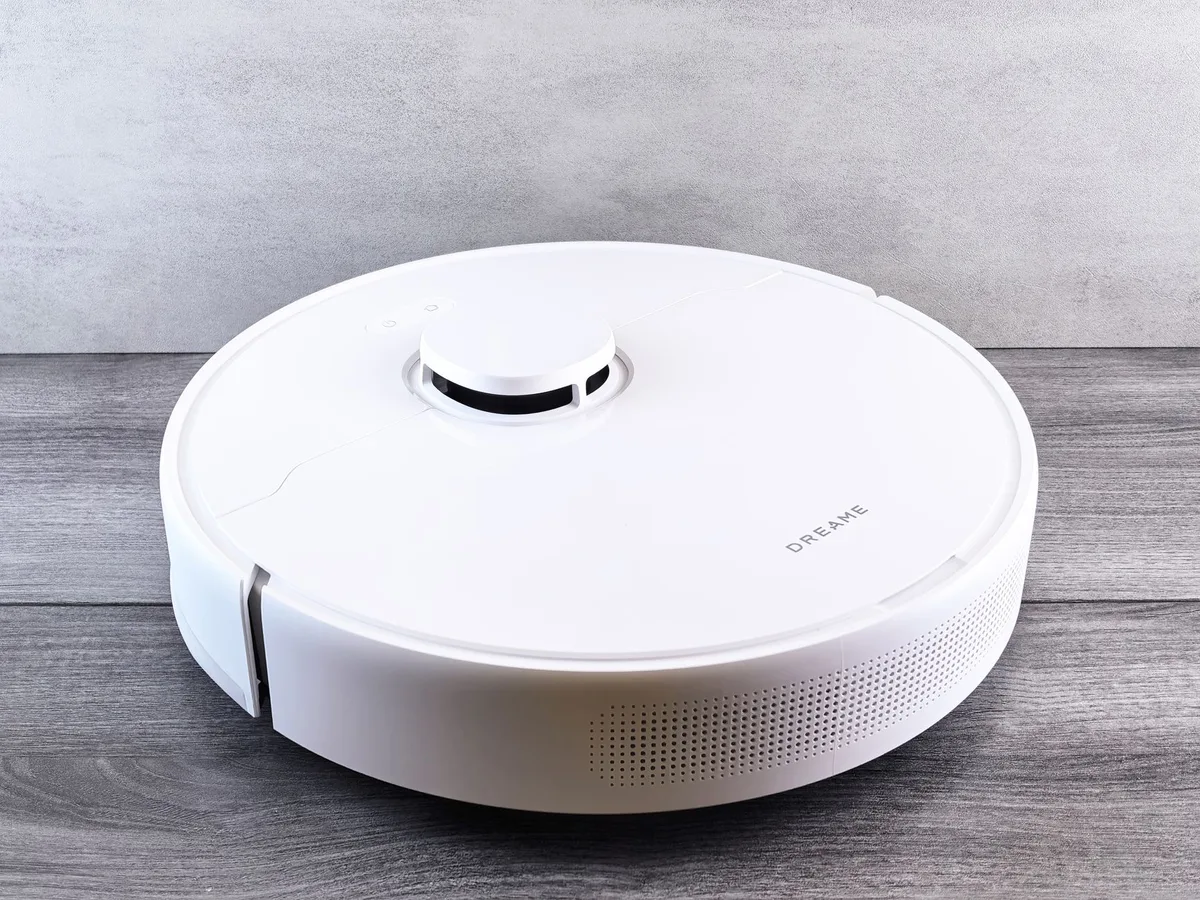
Modern robot vacuums almost exclusively use lithium-ion batteries. They’re lighter, hold more charge, and handle more charge cycles than the older nickel-metal hydride (NiMH) cells.
Lithium-ion batteries typically survive 400 to 500 charge cycles before significant degradation. NiMH batteries, common in budget models from a few years ago, often died after 200 to 300 cycles. If you own a newer vacuum, you’ve already got the better chemistry.
If you’re looking at a deep-discount model, check what battery it uses, because NiMH will die much sooner.
How Many Charge Cycles Before It Gives Up
A “charge cycle” means using and then recharging the battery. Every time your robot docks and tops up, that counts as a partial cycle. Full cycles add up faster than you might think.
Here’s a simple breakdown of expected battery lifespan based on usage frequency:
| Usage Frequency | Charge Cycles Per Year | Estimated Battery Life |
|---|---|---|
| Once daily | 365 | 1 to 1.5 years |
| Every other day | 180 | 2 to 2.5 years |
| Twice weekly | 100 | 3 to 4 years |
| Weekly | 52 | 5 to 7 years |
The math is straightforward. Less frequent use extends battery life, but it also means less consistent cleaning. Most owners settle into a daily or every-other-day schedule, which means planning on a battery replacement around year two or three.
Motor and Suction: How Long Should the Heart Last?
The motor inside a robot vacuum is surprisingly durable. Most manufacturers rate their brushless motors for 5,000 to 10,000 hours of operation. That’s far longer than the battery will ever last.
To put that in perspective, running your robot vacuum for one hour daily means the motor lasts roughly 14 to 27 years. The motor is almost never the reason a robot vacuum gets retired. The battery, the sensors, or the plastic gears driving the brush roll typically fail first.
That said, suction power does decline over time even with a healthy motor. Dust and debris accumulate inside the fan housing. Filters degrade and let finer particles recirculate.
A three-year-old robot vacuum might clean at 70 percent of its original suction, even if the motor itself is fine.
The practical takeaway is simple. If your robot vacuum is struggling to pick up debris but the battery still holds a good charge, the problem is usually airflow, not motor failure. Cleaning the filter, emptying the dustbin regularly, and checking for clogs can restore most of that lost performance.
Brush Rolls, Filters, and Sensors: The Parts That Wear Out Fast
While the battery determines when your robot vacuum stops working entirely, the consumable parts determine how well it works while it’s alive. These are the components that wear out fastest and require regular attention.
Brush Rolls
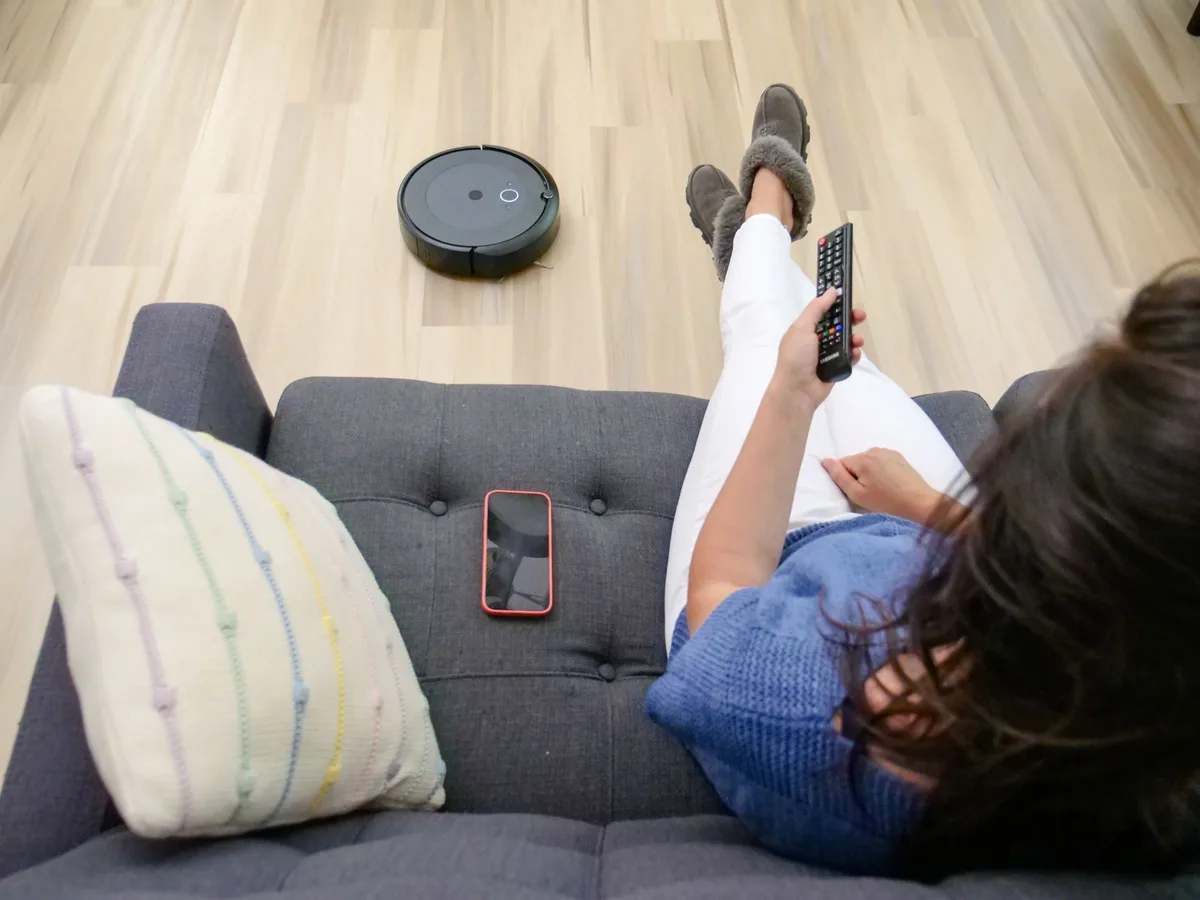
Brush rolls are the most abused part of any robot vacuum. They spin constantly, pick up hair, and grind against floor surfaces. Over time, the bristles bend, break, and lose their stiffness.
Pet owners face the biggest challenge. Hair wraps around the brush roll and gets pulled tight. Even if you clean it weekly, the constant tension wears down the bristles faster than in a pet-free home.
Most manufacturers recommend replacing brush rolls every 6 to 12 months. That cost ranges from $20 to $50 depending on the brand and model. It’s worth it, because a worn brush roll dramatically reduces cleaning effectiveness.
Filters
Filters trap dust, allergens, and fine particles. As they fill up, airflow drops and suction weakens. A clogged filter makes the motor work harder, which drains the battery faster.
HEPA filters typically need replacement every 2 to 3 months. Washable foam filters can last up to 6 months if you clean them regularly. The cost is usually $15 to $30 for a multi-pack, so there’s no excuse for skipping this maintenance.
Sensors
Robot vacuums rely on sensors to navigate and avoid obstacles. Cliff sensors prevent falls down stairs. Optical sensors help with mapping.
Dust sensors detect areas that need more cleaning. All of these get coated with dust and grime over time.
A dirty sensor can cause erratic navigation, phantom obstacles, or even falls. Wiping the sensors with a dry cloth every few weeks prevents these issues and extends the useful life of the vacuum significantly.
Budget vs. Premium: Does Price Really Predict Lifespan?
Price does predict lifespan, but not in the way you might think. It’s not about brand snobbery. It’s about component quality and repairability.
Budget robot vacuums, typically under $200, often use cheaper battery cells, lighter plastic housings, and sealed battery compartments. When the battery dies, you can’t replace it without serious effort. The cost of replacement parts can approach the price of a new unit.
These vacuums realistically last 2 to 3 years.
Mid-range models, priced from $200 to $500, usually have replaceable batteries and better build quality. With regular maintenance, they last 4 to 5 years. The key differentiator is that you can keep them alive by replacing consumable parts.
Premium models, priced above $500, are the long-distance runners. They use higher-tier battery cells, reinforced brush rolls, and modular designs that make repairs straightforward. Many owners report 6 to 7 years of service.
Some self-emptying models from major brands have been running since 2019 with only minor maintenance.
Here’s a quick comparison to clarify the value proposition:
| Price Range | Expected Lifespan | Battery Replacement Cost | Typical Maintenance Cost Per Year |
|---|---|---|---|
| Under $200 | 2 to 3 years | Often not possible | $30 to $50 |
| $200 to $500 | 4 to 5 years | $40 to $80 | $50 to $80 |
| Above $500 | 5 to 7 years | $60 to $100 | $80 to $120 |
The math favors buying a mid-range or premium model if you want to avoid buying a new vacuum every couple of years. A $400 robot that lasts 5 years costs $80 per year. A $150 robot that dies in 2.5 years costs $60 per year.
The premium option isn’t dramatically more expensive when spread across its lifespan.
Additionally, research from the U.S. Department of Energy highlights that properly maintaining appliances and replacing worn components extends their operational life, reducing electronic waste and saving money over time. Regular care for your robot vacuum follows the same principle.


Similar Posts