How to Clean Humidifier Filter
A dirty humidifier filter pumps mold spores and mineral dust straight into your bedroom air. Learning how to clean humidifier filter components correctly keeps your mist healthy and your unit running at full output. Most people soak everything in vinegar and call it done.
That approach ruins paper wicks and misses biofilm entirely.
EPA guidelines recommend cleaning portable humidifiers every three days during active use. Manufacturer warranties from Honeywell, Vicks, and Levoit all require proof of proper maintenance. The right method depends entirely on which filter sits inside your machine.
Let’s identify yours and match the correct cleaning path.
Quick Answer
Clean humidifier filters by matching method to filter type. Paper wicks soak in diluted vinegar only, never scrub. Mesh and ceramic filters descale with acid then brush gently.
Demineralization cartridges replace on schedule. Disinfect biofilm with peroxide or bleach, never both. Dry completely before reassembly.
Why Your Humidifier Filter Type Changes Everything

Evaporative humidifiers pull air through a saturated paper wick. Ultrasonic models vibrate a ceramic disc to create mist. Warm mist units boil water and collect minerals on a pad.
Each design traps different contaminants and demands a specific cleaning protocol. Using the wrong chemical or mechanical action destroys the filter or leaves hazards behind.
Paper wicks absorb mineral scale deep into their fibers. Acid dissolves that scale but also breaks down the paper matrix if soaked too long. Antimicrobial coatings on premium wicks degrade in bleach.
Mesh filters on ultrasonic units collect hard crust that acid softens but only mechanical brushing removes. Ceramic discs scratch permanently if scrubbed aggressively.
Demineralization cartridges use ion-exchange resin that exhausts over time. No soak restores spent resin. Some cartridges have a reusable housing with replaceable media.
Others are fully disposable. The manual tells you which you own. Guessing wastes money or leaves you breathing minerals.
Whole-house bypass humidifiers like Aprilaire use a water panel that replaces annually. Portable units need monthly deep cleaning plus weekly rinses. The filter material dictates the timeline.
Hard water regions accelerate scale buildup by 2x compared to soft water areas. Biofilm forms faster in warm mist tanks than cool mist evaporatives.
Identify Your Filter Before You Touch It
Unplug the unit. Remove the tank. Pull out the filter assembly.
Look for a model sticker on the frame or check the manual. Four main filter types exist in portable humidifiers. Paper wicks look like accordion-folded cardboard in a plastic frame.
Mesh filters are flat aluminum or plastic screens. Ceramic discs sit at the bottom of the ultrasonic chamber. Demineralization cartridges are plastic cylinders filled with beige granules.
Wick filters belong to evaporative models from Honeywell, Vicks, and Aircare. Mesh filters appear in ultrasonic units from Levoit, Pure Enrichment, and Crane. Ceramic discs are built into the nebulizer base of ultrasonic humidifiers.
Cartridges slide into a dedicated slot on select ultrasonic and evaporative models. Warm mist humidifiers from Vicks and Honeywell use a mineral collection pad, not a traditional filter.
If the frame says “replace every 30, 90 days,” it’s a disposable wick. Some premium wicks carry an “antimicrobial” label, those cannot touch bleach. Mesh filters with plastic frames often clean well.
Ceramic discs clean with acid only. Cartridges with a twist-off cap allow media replacement. Sealed cartridges get tossed.
When in doubt, search the model number plus “filter type” on the manufacturer site. Honeywell, Vicks, Levoit, and Aprilaire all publish filter cross-reference charts. Using the wrong cleaning method voids the warranty on most brands.
A five-minute lookup saves a $30 filter and a denied claim.
Decision Branch: Cleanable Wick Filter (Evaporative Models)
Paper wicks clean only by soaking. Never scrub. Never brush.
Never wring. The fibers trap scale and biofilm deep in the matrix. A 15-minute soak in 1:1 white vinegar and water dissolves calcium and magnesium deposits.
Longer soaks weaken the paper. Hot water warps the plastic frame.
After soaking, rinse under cool running water until vinegar smell disappears. Shake gently to remove excess water. Stand the wick upright on a clean towel.
Air dry completely, two hours minimum. Residual moisture breeds mold within hours. A damp wick reinstalled at bedtime guarantees pink slime by morning.
Antimicrobial wicks from brands like Honeywell’s “Protec” line lose their coating in bleach. Hydrogen peroxide at 3% disinfects without stripping the treatment. Soak ten minutes, rinse thoroughly, dry fully.
Do not exceed 3% concentration. Stronger solutions degrade the paper.
If the wick shows black spots, pink streaks, or feels slimy after cleaning, replace it. Biofilm roots penetrate deeper than any soak reaches. A new wick costs $10, $20.
Treating respiratory irritation from mold costs far more. Most manufacturers recommend replacement every 30, 60 days during heating season regardless of cleaning.
Decision Branch: Cleanable Mesh or Ceramic Filter (Ultrasonic & Warm Mist)
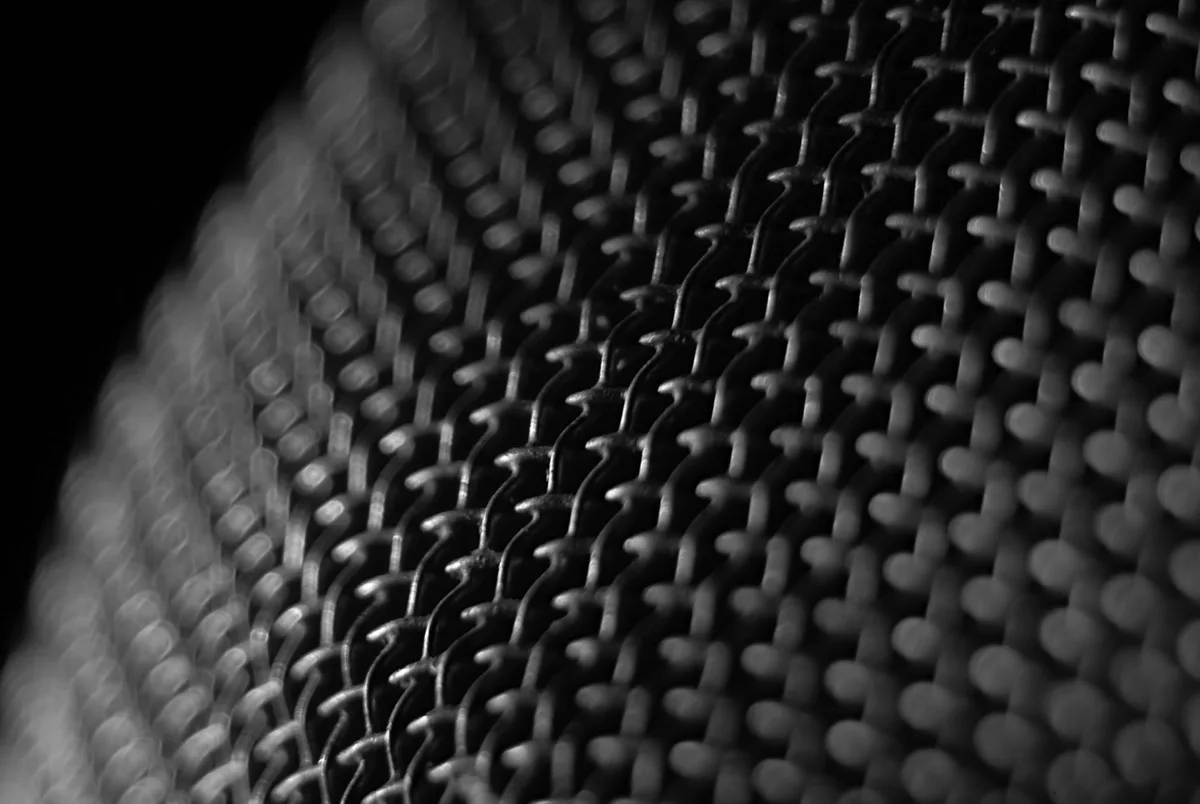
Mesh filters trap mineral dust before it becomes white dust on your furniture. Aluminum mesh from Levoit and Crane units descales in 1:1 vinegar for 20 minutes. A soft toothbrush removes loosened crust.
Brush parallel to the mesh grain, not across it. Cross-grain brushing bends the fine wires.
Plastic mesh frames from Pure Enrichment and TaoTronics tolerate the same soak. Avoid water hotter than 110°F, it warps the frame. Rinse until water runs clear.
Shake dry. Air dry one hour minimum. Reinstall only when bone dry.
Ceramic discs (nebulizers) sit at the bottom of the ultrasonic chamber. They vibrate at 1.7 MHz to atomize water. Scale on the disc surface kills output.
Soak the disc in place, fill the chamber with 1:1 vinegar, let sit 20 minutes. Do not remove the disc. Do not brush the ceramic surface.
Microscopic scratches alter the vibration pattern and reduce mist volume permanently.
After soaking, empty the chamber. Rinse three times with distilled water. Wipe the disc gently with a microfiber cloth.
Let air dry 30 minutes. Run the unit empty for five minutes to clear residual vinegar. Discard that mist.
Your next tank produces clean output.
Warm mist mineral pads collect boiled-out solids. They clean like mesh, vinegar soak, gentle brush, thorough rinse. Some pads are disposable paper.
Check the manual. Honeywell HWM series pads replace annually. Vicks VWM pads clean monthly.
Both discourage bleach on the heating element.
Decision Branch: Demineralization Cartridge — Clean or Replace?
Demineralization cartridges use ion-exchange resin to pull calcium and magnesium from tap water. The resin saturates over time. No chemical soak regenerates exhausted resin.
Commercial descalers like CLR clean the housing but not the media inside. If your cartridge has a twist-off cap, you replace the beige granules. Sealed cartridges get tossed entirely.
Cartridge life ranges 30, 90 days depending on water hardness and daily run time. Hard water at 180 ppm CaCO₃ exhausts a cartridge in three weeks. Soft water at 60 ppm stretches it to three months.
Most cartridges cost $8, $15. Buying in 3-packs saves 20%.
Some ultrasonic models from Levoit and Crane include a cartridge slot but ship without one. Running without a cartridge in hard water guarantees white dust. The manual specifies compatible cartridge models.
Generic cartridges fit but may leak resin into the tank. Stick to OEM or certified replacements.
To check cartridge status, test output water with a $5 TDS meter. Input tap water reads 150, 300 ppm. Post-cartridge water should read under 50 ppm.
Rising TDS means the resin is spent. Replace immediately. Continuing with exhausted resin sends minerals straight to the nebulizer disc, causing rapid scale buildup.
Decision Branch: When the Manual Says “Replace Only”
Some filters are not designed to be cleaned. Aprilaire water panels use a coated aluminum mesh that degrades with acid. Honeywell HEV series wicks have a hydrophilic coating that vinegar strips.
Dyson humidifier filters contain a silver-ion antimicrobial layer that bleach destroys. The manual explicitly states “replace only” for these models. Ignoring that warning voids the warranty and often damages the unit.
Replace-only filters cost more upfront but last longer. Aprilaire 10 panels run 12 months. Honeywell HEV wicks last 90 days.
Dyson filters run six months. The total annual cost matches or beats cleaning disposable filters weekly. You also avoid the risk of incomplete cleaning leaving biofilm.
If your manual says replace only, budget for replacements and skip the vinegar.
Check the filter frame for a “do not clean” icon. It looks like a crossed-out bucket or brush. Some brands print it on the plastic frame.
Others put it in the manual only. When in doubt, search the model number plus “replace only filter” on the manufacturer site. A two-minute check saves a $40 filter and a denied warranty claim.
Step-by-Step: Deep Clean a Paper Wick Filter Without Ruining It

Unplug the humidifier. Remove the tank and set it aside. Lift the wick filter out of the base.
Tap loose dust into a trash bag. Do not shake hard, the frame cracks. Fill a clean bucket with one gallon cool water.
Add one cup white vinegar (5% acetic acid). Submerge the wick completely. Weight it with a clean plate if it floats.
Set a timer for 15 minutes. Do not exceed 20 minutes. Longer soaks break down the paper fibers.
While the wick soaks, wipe the humidifier base with a microfiber cloth dampened with the same vinegar solution. Clean the fan blades and air vents. Mineral dust there restricts airflow and strains the motor.
Remove the wick. Rinse under cool running water until the vinegar smell is gone. This takes two to three minutes.
Hold the wick by the frame only. Never squeeze the paper pleats. Shake once gently to clear excess water.
Stand upright on a clean towel in a well-ventilated area. Rotate every 30 minutes for even drying.
Dry time is two hours minimum. Four hours is better. A moisture meter reading under 15% confirms readiness.
Reinstall only when bone dry. Fill the tank with distilled water. Run the unit on high for 10 minutes.
Discard that first tank, it clears any residual vinegar. Your humidifier now delivers clean mist.
Step-by-Step: Descale Mesh, Ceramic, and Cartridge Filters
Unplug the unit. Remove the tank. Pull out the mesh filter or locate the ceramic disc.
For mesh filters, fill a basin with 1:1 vinegar and water. Submerge the filter. Soak 20 minutes.
For ceramic discs, fill the nebulizer chamber with 1:1 vinegar. Soak 20 minutes. Do not remove the disc.
For cartridges with removable media, soak the housing only, never the resin granules.
After soaking, scrub mesh filters with a soft toothbrush. Brush parallel to the wire grain. Rinse until water runs clear.
For ceramic discs, empty the chamber. Rinse three times with distilled water. Wipe the disc surface with a microfiber cloth.
Do not apply pressure. Let air dry 30 minutes.
Clean the tank while filters dry. Add one tablespoon vinegar per gallon of water. Swirl.
Let sit 10 minutes. Rinse three times. Wipe dry with a clean microfiber cloth.
Clean the base exterior. Pay attention to the mist nozzle, mineral buildup there redirects spray.
Reassemble only when every component is completely dry. Fill with distilled water. Run on high for five minutes.
Discard the first tank. Check output, mist should be strong and odorless. Weak mist means scale remains.
Repeat the soak if needed. Most mesh filters need two cycles after a month of hard water use.
Disinfecting Biofilm: Peroxide vs. Bleach vs. Vinegar — Pick One
Vinegar kills 82% of mold species but misses some bacteria. Hydrogen peroxide (3%) kills 99.9% of bacteria and mold including Serratia marcescens (pink slime). Bleach (1 tsp per gallon) kills everything but strips antimicrobial coatings and leaves chlorine residue.
Never mix any two. Chlorine gas forms from bleach plus vinegar. Oxygen gas from bleach plus peroxide can rupture containers.
For paper wicks, use peroxide only. Soak 10 minutes. Rinse thoroughly.
Dry fully. For mesh and ceramic, vinegar descales then peroxide disinfects. Run sequential soaks, vinegar 20 minutes, rinse, peroxide 10 minutes, rinse.
This two-step process handles both mineral scale and biofilm. Bleach is a last resort for severe contamination on non-coated parts only.
If you see pink streaks, black spots, or smell musty earth, biofilm is active. Clean immediately. Run the humidifier dry for 24 hours after cleaning.
Biofilm needs moisture to survive. Dry storage between seasons prevents recurrence. CDC recommends daily cleaning for immunocompromised households.
Use distilled water and peroxide disinfection weekly in those cases.
Drying and Reassembly: The Step Most People Skip
A damp filter reinstalled at 10 PM grows mold by 6 AM. Bacteria double every 20 minutes in warm moisture. The drying step is not optional.
Paper wicks need two to four hours upright. Mesh filters need one hour. Ceramic discs need 30 minutes.
Cartridge housings need one hour. The tank needs 30 minutes inverted on a clean rack.
Use a moisture meter if unsure. Under 15% moisture content is safe for paper. Metal and ceramic feel dry to touch but can hold microscopic droplets.
Compressed air speeds drying for mesh and ceramic. Do not use heat, hair dryers warp plastic frames and crack ceramic discs. Air drying at room temperature is the only safe method.
Reassembly order matters. Base first. Filter second.
Tank last. Check that the filter seats flat. A tilted wick lets air bypass the media.
Humidity output drops 40%. The fan whines from unrestricted airflow. Secure the tank cap until it clicks.
A loose cap leaks and triggers the auto-shutoff float.
Run a test cycle. Fill with distilled water. Set to high.
Watch for 10 minutes. Mist should be steady and odorless. Gurgling means the wick is not saturated.
Weak mist means the filter is still damp or scale remains. No mist means the nebulizer disc has residue. Troubleshoot before bedtime, not at 2 AM.
Weekly Rinse vs. Monthly Deep Clean: Set the Right Schedule
Weekly rinses remove loose dust and prevent biofilm from anchoring. Remove the filter. Rinse under cool tap water for 30 seconds.
Shake gently. Reinstall. No chemicals needed.
This takes two minutes and extends filter life by weeks.
Monthly deep cleans use acid and disinfectant as described earlier. Schedule it for the first Saturday of each month. Mark the calendar.
Heavy use, running 12+ hours daily, needs deep cleaning every three weeks. Light use, overnight only, stretches to six weeks. Set a phone reminder.
During heating season, increase frequency. Furnace air cuts indoor humidity to 15%. The humidifier runs constantly.
Scale and biofilm accelerate. Check the filter weekly. If it feels slimy or shows white crust, deep clean early.
Do not wait for the calendar.
Off-season storage requires a final deep clean. Dry every component 24 hours minimum. Store in a sealed plastic bag with a silica gel packet.
Mold spores survive on dry surfaces for months. A contaminated filter in September ruins October air quality.
Hard Water, Soft Water, and How Often You Actually Need to Clean
Hard water above 120 ppm CaCO₃ deposits scale twice as fast as soft water below 60 ppm. Municipal reports list hardness in grains per gallon, 1 gpg equals 17.1 ppm. Above 7 gpg is hard.
Above 10 gpg is very hard. Test strips cost $8 for 50. Check annually, municipal sources change.
Soft water creates less scale but more biofilm. Low mineral content lets bacteria colonize faster. Weekly rinses matter more in soft water regions.
Peroxide disinfection monthly prevents pink slime. Distilled water eliminates both problems but costs $1 per gallon.
Well water adds iron and manganese. Iron stains filters orange-brown. Manganese leaves black flecks.
Standard vinegar misses these. Use a commercial iron remover like Iron Out for stained wicks. Follow label dilution.
Rinse six times. Well users should test quarterly.
Regional map: Southwest and Midwest run hard. Pacific Northwest and Northeast run soft. Florida and Gulf Coast vary by aquifer.
Know your water. Adjust the schedule. A $10 TDS meter tracks cartridge exhaustion in real time.
Common Mistakes That Shorten Filter Life or Void Warranty
Soaking wicks longer than 20 minutes. The paper matrix hydrolyzes. The filter collapses inside the frame.
Air bypasses the media. Output drops 50%. Scrubbing wicks with a brush.
Fibers tear. Dust passes through. Motor inhales debris.
Using bleach on antimicrobial wicks. The silver-ion coating dissolves. Mold returns in days.
Warranty denies coverage. Mixing vinegar and bleach. Chlorine gas forms.
Lung damage risk. Ruins plastic tanks and seals. Running the unit during cleaning.
Electric shock hazard. Motor burns dry.
Skipping the dry step. Damp reassembly grows mold overnight. First mist delivers spores.
Storing filters wet. Summer storage creates a biohazard. Fall startup pumps contamination.
Using essential oils in the tank. Oil gums the wick. Clogs ultrasonic discs.
Voids every warranty.
Using CLR or Lime-Away on wicks. Surfactants leave residue. Residue aerosolizes.
Breathing surfactant mist irritates airways. Tap water in ultrasonic units. White dust coats electronics.
Voids Levoit and Crane warranties. Distilled water only for ultrasonic.
Quick Reference Decision Guide: Match Your Filter to the Right Method
| Filter Type | Found In | Scale Removal | Biofilm Kill | Dry Time | Replace Cycle |
|---|---|---|---|---|---|
| Paper wick | Honeywell, Vicks, Aircare | Vinegar 15 min | Peroxide 10 min | 2–4 hrs | 30–60 days |
| Aluminum mesh | Levoit, Crane ultrasonic | Vinegar 20 min + brush | Peroxide 10 min | 1 hr | 6–12 months |
| Ceramic disc | Ultrasonic nebulizer | Vinegar 20 min (in chamber) | Peroxide 10 min | 30 min | 12+ months |
| Demineralization cartridge | Ultrasonic & evaporative | Housing only — never media | Housing only | 1 hr | 30–90 days |
| Mineral pad | Vicks, Honeywell warm mist | Vinegar 20 min + brush | Peroxide 10 min | 1 hr | 12 months |
| Replace-only wick | Aprilaire, Dyson, Honeywell HEV | Do not clean | Do not clean | N/A | 90–365 days |
Check your manual. Match the row. Follow the column.
Done.
Frequently Asked Questions
Can I clean a humidifier filter with just water?
Water rinses loose dust but does not dissolve mineral scale or kill biofilm. Vinegar or peroxide is required for deep cleaning.
How often should I replace a humidifier filter?
Paper wicks every 30, 60 days during heating season. Mesh and ceramic filters every 6, 12 months. Cartridges every 30, 90 days.
Replace-only filters per manufacturer schedule.
Why does my humidifier filter smell like vinegar after cleaning?
Insufficient rinsing. Rinse until zero vinegar odor remains. Run a test tank and discard it before bedroom use.
Can I use bleach to clean my humidifier filter?
Only on non-coated mesh, ceramic, or plastic parts. Never on antimicrobial paper wicks. Never mix with vinegar or peroxide.
Rinse six times.
Is white dust from my humidifier dangerous?
White dust is mineral aerosol. It irritates lungs and coats electronics. Use distilled water or a demineralization cartridge to eliminate it.
How do I know if my filter has mold?
Black spots, pink streaks, musty odor, or slime texture indicate active biofilm. Clean immediately with peroxide. Replace if contamination persists.


Similar Posts













[…] scale buildup and create more surface area for bacteria to cling to. Switching to distilled or demineralized water cuts your cleaning frequency […]