How to Connect Portable Dishwasher to Pull Out Kitchen Faucet
You've got the convenience of a portable dishwasher, but your kitchen faucet is the sleek, modern pull-out kind. Don't worry, connecting them is entirely doable! Many modern kitchens feature these flexible faucets, and thankfully, manufacturers have designed adapters to make the hookup straightforward.
This guide will walk you through exactly how to get your portable dishwasher running with your pull-out kitchen faucet, ensuring a secure and leak-free connection every time.
Understanding Your Pull-Out Faucet and Dishwasher Connection
Pull-out faucets offer a lot of flexibility in the kitchen. Their spray head detaches, allowing you to direct water precisely where you need it. This design, however, means the connection point for appliances like portable dishwashers isn't as simple as with a standard faucet.
You won't find a direct threading on the spout itself.
Portable dishwashers, on the other hand, typically come with an adapter that screws onto a standard faucet spout. To bridge the gap between your pull-out faucet and your dishwasher's adapter, you'll need a specific type of connector. This usually involves a diverter valve that attaches to your faucet's aerator threads and allows you to switch between using the faucet and connecting your dishwasher.
It's important to remember that not all pull-out faucets are created equal. Some may have proprietary connections. However, most use a standard thread size for their aerator, which is where the magic happens.
What You'll Need: Essential Components
Before you start, gather everything you need. A successful connection relies on having the right parts.
- Portable Dishwasher Quick-Connect Adapter: This is the crucial piece that bridges the gap. It screws onto the faucet's aerator threads. It typically has a threaded end that matches your faucet's aerator and another that connects to your dishwasher's supply hose. Many of these adapters are designed with a lever or button to switch water flow between the faucet and the dishwasher.
- Dishwasher Supply Hose: Your portable dishwasher will come with a supply hose that connects to the main water line inside the machine and needs to connect to your faucet adapter.
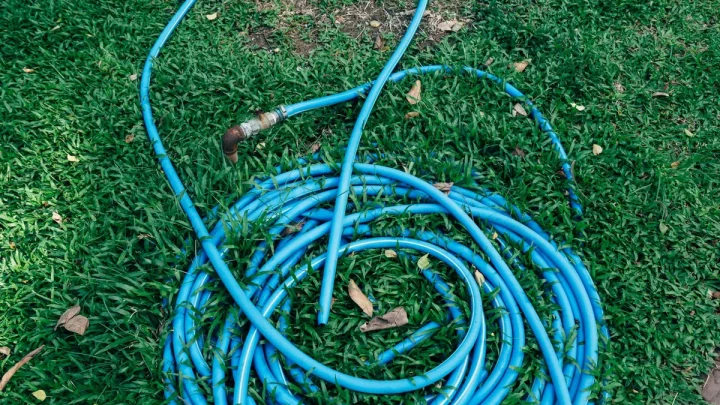
- Dishwasher Drain Hose: This hose carries wastewater from the dishwasher to your sink. You'll usually need a way to secure this hose to your sink's edge or drain.
- Rubber Washers/Gaskets: These are vital for creating a watertight seal at all connection points. Your adapter and dishwasher hoses should come with them, but it's good to have extras on hand just in case.
- Adjustable Wrench or Pliers: You'll need these to tighten connections securely. Be gentle, though; over-tightening can damage parts.
- Towel or Rag: For wiping up any residual water and cleaning up spills.
Step-by-Step Connection Process
Let's get your portable dishwasher hooked up. Follow these steps carefully for a smooth installation.
Step 1: Prepare Your Faucet
First, you need to access the aerator threads on your pull-out faucet.
- Extend the Sprayer: Pull the spray head away from the faucet body.
- Locate the Aerator: Look at the very end of the spray head. You'll see the part where water comes out, that's the aerator.
- Unscrew the Aerator: Most aerators can be unscrewed by hand. If it's tight, use a rag-covered gripper or pliers to prevent scratching the finish. Turn it counter-clockwise. Keep the rubber washer that might be inside the old aerator; you might need it.
Image source: Pexels / MART PRODUCTION
Step 2: Connect the Quick-Connect Adapter
Now, it's time to attach the special adapter to your faucet.
- Inspect the Adapter: Look at the threaded end of your quick-connect adapter. It should match the threads on your faucet's aerator opening. Some adapters come with different thread sizes or optional extensions to ensure a good fit.
- Install the Washer: Make sure a rubber washer is seated correctly inside the adapter where it will meet the faucet. This is critical for preventing leaks.
- Screw on the Adapter: Carefully screw the adapter onto the end of your pull-out faucet's spray head, turning clockwise. Tighten it snugly by hand. Don't overtighten it with tools unless absolutely necessary, and then only with extreme care.
Step 3: Attach the Dishwasher Supply Hose
This connects the water source to your dishwasher.
- Locate the Hose End: Find the inlet hose on your portable dishwasher. It usually has a threaded fitting on the end.
- Connect to Adapter: The other end of your quick-connect adapter will have a fitting designed to accept the dishwasher's supply hose. Ensure the rubber washer is in place in the hose fitting.
- Secure the Connection: Screw the dishwasher supply hose onto the adapter. Tighten it firmly but avoid excessive force.
Step 4: Connect the Dishwasher Drain Hose
Wastewater needs a place to go.
- Position the Drain Hose: Your dishwasher's drain hose needs to reach your sink. Most portable dishwashers come with a sink bracket or a way to loop the hose over the edge of your sink basin.
- Secure the Hose: If you have a bracket, attach it to the sink's edge. Then, feed the end of the drain hose into the bracket. If you don't have a bracket, loop the hose over the sink's edge, ensuring it's securely positioned so it won't pop out during the drain cycle. Make sure the end of the hose is above the sink's drain opening to prevent siphoning.
Step 5: Turn On the Water and Test for Leaks
This is the moment of truth.
- Turn on Faucet Water: Slowly turn on your kitchen faucet to the cold water setting.
- Switch to Dishwasher: Operate the lever or button on your quick-connect adapter to divert water to the dishwasher. Water should now flow into the dishwasher's supply hose.
- Check All Connections: Carefully inspect every point where you made a connection: where the adapter meets the faucet, and where the supply hose meets the adapter. Look and feel for any drips or leaks.
- Tighten if Necessary: If you find a small leak, try tightening the connection slightly. If the leak persists, turn off the water, disconnect, check the washer, and reconnect.
- Run a Short Cycle: Once you're confident there are no leaks, run your portable dishwasher through a short rinse or drain cycle. Monitor all connections again during the cycle, especially when the dishwasher is actively filling or draining.
Troubleshooting Common Issues
Even with the best preparation, you might encounter a hiccup. Here’s how to address some common problems.
Leaks at the Faucet Adapter Connection
- Cause: The rubber washer is missing, damaged, or not seated properly. The adapter isn't screwed on tightly enough, or it's cross-threaded.
- Solution: Turn off the water. Disconnect the adapter. Inspect and replace the rubber washer if needed. Ensure it's seated flat. Realign and screw the adapter on, ensuring it's not cross-threaded. Tighten securely by hand. If it's still leaking, check the faucet threads for damage.
Leaks at the Dishwasher Hose Connection
- Cause: Similar to the above, missing, damaged, or misaligned washer in the dishwasher hose fitting. The connection to the adapter isn't tight.
- Solution: Turn off water. Disconnect the hose. Check the washer within the hose fitting. Reconnect and tighten.
Water Not Flowing into the Dishwasher
- Cause: The adapter's diverter valve is not fully engaged, or it's faulty. The dishwasher supply hose might be kinked.
- Solution: Ensure the lever or button on the adapter is in the "dishwasher" position. Check the supply hose for any sharp bends or kinks that restrict water flow.
Dishwasher Not Draining Properly
- Cause: The drain hose is pinched, kinked, or not positioned correctly. The sink drain might be clogged.
- Solution: Ensure the drain hose has a smooth path to the sink without any significant kinks. Make sure the hose end is properly secured over the sink's edge and not submerged in standing water. Check your kitchen sink drain for clogs.
Faucet Spray Head Leaks
- Cause: If your pull-out faucet itself starts leaking after connecting the dishwasher, the issue might be with the faucet's internal hose or diverter mechanism, potentially strained by the added connection.
- Solution: Disconnect the dishwasher. If the faucet leak stops, you may need to consult your faucet's manual or contact the manufacturer for repair advice related to the pull-out mechanism. If the leak continues independently, it's a separate faucet issue.
Maintaining Your Connection
Once connected, a little regular attention ensures longevity and prevents future headaches.
- Regularly Check for Leaks: Before each use, take a quick look at all connection points. It only takes a moment and can save you from a much larger problem.
- Disconnect When Not in Use (Optional but Recommended): If you don't use your portable dishwasher daily, consider disconnecting it after use and storing the adapter until needed. This reduces wear and tear on the faucet's threads and the adapter itself. It also ensures your faucet functions normally without the adapter attached.
- Clean the Aerator and Adapter: Periodically, unscrew your faucet's aerator and the quick-connect adapter. Clean them of any mineral buildup or debris that could affect water flow or cause leaks. You might find that how often you should replace your vacuum filter is a good indicator for how often to check other household water components for debris or buildup.
- Inspect Hoses:Check the supply and drain hoses for any signs of wear, cracking, or bulging. Replace them immediately if you notice any damage.
- Winterizing: If you live in an area where your home's water can freeze, disconnect the dishwasher and drain all water from the hoses and the machine before winter. Ensure no water remains in the supply line or the adapter. For more general home maintenance, you can find useful tips across our blog.
When to Call a Professional
While this process is generally DIY-friendly, there are times when professional help is advisable.
- Unusual Faucet Design: If your pull-out faucet has a very unconventional design or proprietary connection that doesn't seem to accommodate standard adapters.
- Persistent Leaks: If you've tried all troubleshooting steps and still can't achieve a leak-free connection, a plumber can diagnose the issue.
- Plumbing Concerns: If you're uncomfortable working with water connections or suspect underlying plumbing issues, it’s always best to call a qualified plumber. They can ensure the connection is made safely and correctly.
- Faucets with Integrated Filters: Some older or specialized faucets may have integrated filters within the aerator housing that can't be easily removed, preventing the adapter from seating properly.
Understanding Faucet Specifications
Before purchasing an adapter, it's wise to know your faucet's aerator thread size. Common sizes are male 15/16" or female 55/64", but variations exist. Your pull-out faucet's manufacturer website or documentation might specify this.
If unsure, you can carefully measure the threads on your faucet after removing the aerator. Most dishwasher adapter kits come with multiple thread options or a universal design to accommodate various common faucet types. Always verify compatibility before buying.
By following these steps, you can confidently connect your portable dishwasher to your pull-out kitchen faucet, enjoying the best of both worlds: a convenient, flexible faucet and sparkling clean dishes. Remember to work patiently, double-check your connections, and always prioritize a secure, leak-free setup.


Similar Posts