How to Measure Kitchen Faucet Hole Size Before Buying
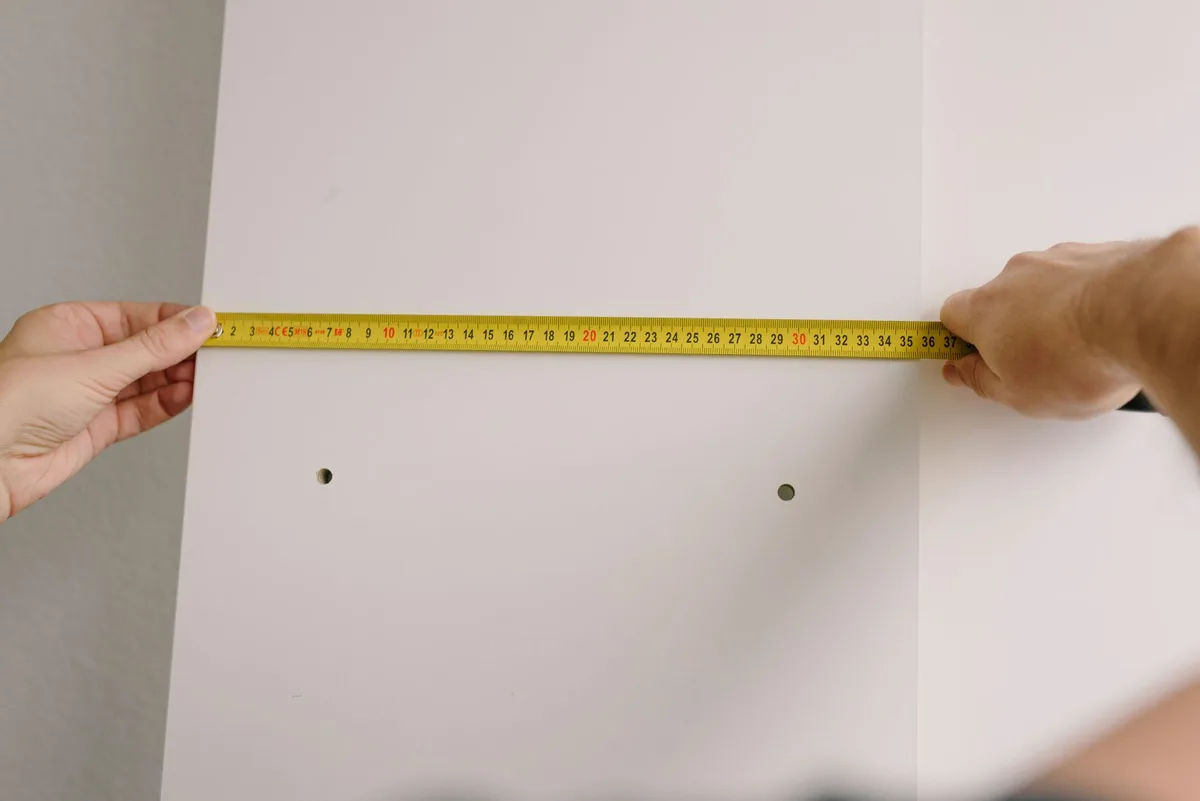
Replacing your kitchen faucet is a common home improvement task. But before you get too excited about a new look or improved functionality, there’s a crucial step you absolutely can’t skip: measuring your existing faucet hole size. Buying a faucet that doesn’t fit your sink’s pre-drilled holes is a guaranteed headache.
It means returns, delays, and the potential for costly modifications.
Don’t let that happen to you. This guide will walk you through exactly how to measure your kitchen faucet hole size, ensuring you pick the perfect faucet the first time. We’ll cover everything from different hole configurations to the tools you’ll need.
Let’s get started.
Why Measuring Faucet Hole Size Matters So Much
Your kitchen sink comes with pre-drilled holes designed to accommodate specific faucet setups. These holes determine the type and number of faucet handles and features you can install. Most standard kitchen sinks have either one, two, three, or four holes.
- One-hole faucets: These are typically single-handle faucets. They offer a minimalist look and are easy to operate with one hand.
- Two-hole faucets: These usually pair a faucet with a side sprayer or a soap dispenser.
- Three-hole faucets: This is the most common configuration for traditional setups, featuring a hot and cold handle and a spout. Sometimes, this can also be a single faucet with a separate side sprayer.
- Four-hole faucets: These often accommodate a faucet, two handles, and a side sprayer, or a faucet with a soap dispenser and hot/cold handles.
Image source: Pexels / Ksenia Chernaya (Pexels License)
If you try to install a faucet that requires, say, three holes on a sink that only has one, you’re in for a tough time. You’d either need to replace the entire sink or attempt to drill new holes, which is a job best left to professionals and can easily damage your sink. Knowing your hole count is the first, most vital step in selecting compatible kitchen faucets.
What You’ll Need to Measure Your Faucet Holes
Gathering a few simple tools will make the measurement process smooth and accurate. You don’t need anything fancy.
- Measuring Tape or Ruler: A standard retractable measuring tape or a rigid ruler works perfectly.
- Pen and Paper or Smartphone: To jot down your measurements.
- Flashlight (Optional but Recommended): Especially if your sink area is dimly lit, a flashlight will help you see clearly.
- Gloves (Optional): If you’re dealing with older, corroded fixtures, gloves can offer a better grip.
Measuring the Diameter of Each Faucet Hole
The most important measurement is the diameter of each individual hole the faucet will occupy. Most standard kitchen faucet holes are 1.5 inches in diameter. However, it’s always best to confirm.
- Clear the Area: Remove any items from around the sink that might obstruct your view or access to the faucet base and holes.
- Locate the Holes: These are usually located on the sink deck itself or on the backsplash if you have a wall-mounted faucet. For deck-mounted faucets, look directly behind the current faucet base.
- Measure Across the Widest Part: Use your measuring tape or ruler to measure the diameter of each hole. Place the zero mark of your ruler on one edge of the hole and measure straight across to the opposite edge.
- Note Standard Sizes: If your holes are standard, they will likely be around 1.5 inches in diameter. Don’t assume, though. Always measure.
- Record Your Findings: Write down the diameter of each hole. If you have multiple holes, measure each one.
Counting the Number of Faucet Holes
Beyond the diameter, the sheer number of holes is paramount. This dictates the configuration of the faucet you can buy.
- Visually Inspect: Simply count how many circular openings are present on your sink deck or backsplash where a faucet would typically be installed.
- Consider Existing Accessories: If you have a separate side sprayer, soap dispenser, or hot/cold water handles, count those openings too. Each of these requires its own hole.
- What About Cover Plates (Escutcheons)? Some faucets come with a “deck plate” or “escutcheon.” This is a decorative plate that covers unused holes. If your sink has, for example, three holes but you want to install a single-hole faucet, you’d use a faucet with a deck plate that covers the other two holes. This means you can sometimes install a faucet with fewer holes than your sink has, provided you use a deck plate. However, you cannot install a faucet requiring more holes than you have, even with other accessories removed.
Measuring the Spread (On-Center Measurement)
For faucets with separate handles or multiple components that aren’t all in a single unit, you’ll need to measure the “spread.” This is the distance between the centers of the holes.
- For Two Holes: Measure from the center of the first hole to the center of the second hole. Common spreads are 4 inches and 8 inches.
- For Three or Four Holes: If you have a widespread faucet (meaning the spout and handles are separate), you’ll measure the distance from the center of one handle hole to the center of the other handle hole. This is typically 8 inches. You’ll also need to consider the placement of the spout and any additional accessories.
How to Measure the Spread Accurately:
- Mark the Centers: If the holes are clear, you can often eyeball the center. If not, you can place a small piece of tape over the hole and gently mark the center with a pen.
- Measure Between Centers: Use your ruler or measuring tape to measure the distance from the center mark of one hole to the center mark of the next required hole.
- Note Common Spreads: Common widespreads for bathroom sink faucets are 4 inches, and for kitchen faucets, 8 inches is very common for widespread setups. Always confirm your sink’s configuration.
Common Faucet Hole Configurations to Know
Understanding these common setups will help you identify what you have and what you might be looking for.
Single-Handle Faucets (1 Hole)
- What it is: A faucet with one handle that controls both water flow and temperature.
- Sink Requirement: Needs a single, 1.5-inch diameter hole.
- When to use: Ideal for minimalist kitchens. If your sink has more than one hole, you can use a faucet with an integrated deck plate to cover the unused holes.
Single-Handle Faucet with Side Sprayer (2 Holes)
- What it is: A single-handle faucet paired with a separate side sprayer.
- Sink Requirement: Needs two holes, typically 1.5 inches each, spaced a specific distance apart. The standard spread for this setup is often 8 inches on-center for the main faucet and the sprayer hole.
- When to use: Offers the convenience of a sprayer without a pull-down or pull-out spout.
Single-Handle Faucets with Sprayer Hole (3 Holes – Using a Deck Plate)
- What it is: A single-handle faucet that comes with a deck plate (escutcheon) to cover two extra holes. The faucet itself requires one hole, but it’s installed on a sink with three holes.
- Sink Requirement: Can be installed on a sink with one, two, or three holes, provided the deck plate is large enough to cover any additional holes. The faucet itself will need one central 1.5-inch hole.
- When to use: A very versatile option. You can upgrade to a single-handle faucet even if you currently have a three-hole setup.
Two-Handle Faucets (3 Holes)
- What it is: Traditional faucets with separate hot and cold handles and a central spout.
- Sink Requirement: Typically requires three holes, each around 1.5 inches, with a common on-center spread of 8 inches between the handles.
- When to use: Offers precise temperature and flow control.
Widespread Faucets (3-Hole Configuration – 8-inch Spread)
- What it is: A faucet where the spout and handles are mounted separately. This offers a more luxurious and customizable look.
- Sink Requirement: Requires three holes, each around 1.5 inches in diameter. The typical spread between the center of the handle holes is 8 inches. Some may have additional holes for a soap dispenser or spray function.
- When to use: For a high-end look and feel. This is a popular choice for larger sinks and countertops.
Faucet with Integrated Sprayer (3 Holes)
- What it is: A faucet that has a pull-down or pull-out sprayer integrated into the main spout.
- Sink Requirement: Usually requires only one hole, but it often comes with a deck plate (escutcheon) to cover two additional holes, making it compatible with 3-hole sinks.
- When to use: Combines the sleek look of a single-handle faucet with the practicality of a sprayer.
Four-Hole Faucets
- What it is: Less common, but these could include a faucet, two handles, and a side sprayer, or a faucet, soap dispenser, and two handles.
- Sink Requirement: Four distinct holes, often with specific spacing.
- When to use: For maximum functionality and a more traditional aesthetic.
What If Your Sink Has More Holes Than Your New Faucet?
This is a common scenario and often a good thing! If your sink has more holes than your desired faucet requires, you’ll likely use a deck plate or escutcheon. This is a decorative plate that fastens under the faucet base and covers the unused holes.
Most single-handle faucets, and some other types, are sold with an optional or included deck plate to accommodate sinks with 1, 2, or 3 holes. Always check the faucet’s specifications to see if it includes a deck plate and what hole configurations it’s designed for. You can buy replacement deck plates separately if needed.
What If Your Sink Has Fewer Holes Than Your New Faucet?
This is where things get tricky.
- Adding Holes: Drilling new faucet holes into a sink, especially a stainless steel or composite sink, is possible but not recommended for the average DIYer. It requires specialized tools and precise drilling to avoid damaging the sink. If you’re determined, it’s best to consult a professional plumber or fabrication shop.
- Choosing a Different Faucet: Often, the easiest solution is to select a faucet that matches your existing hole configuration. As mentioned, many single-handle faucets come with deck plates that can cover extra holes, allowing you to install them on sinks with 3 holes.
Standard Faucet Hole Sizes and Spacing
Knowing the standards can be a helpful benchmark.
- Hole Diameter: The vast majority of standard kitchen faucet holes are 1.5 inches (38.1 mm) in diameter. Some older or specialized fixtures might vary, but 1.5 inches is the industry norm.
- Hole Spacing (On-Center):
- Single-hole faucets: Only one hole is needed.
- 3-hole faucets (traditional): Typically have an 8-inch spread between the centers of the two side holes (for handles or sprayer and handle), with the spout in the middle.
- Widespread faucets: Also commonly use an 8-inch spread between the two handle holes, with the spout mounted separately.
- 4-inch centerset faucets: More common in bathrooms, but can sometimes be found in kitchens. The handles and spout are mounted on a single plate that is 4 inches wide.
Measuring for Faucets with Integrated Pull-Down or Pull-Out Sprayers
These faucets are incredibly popular for their convenience. The good news? They usually only require a single hole.
However, many of these single-hole faucets come with a deck plate designed to cover up to two additional holes. So, if you have a 3-hole sink, and you want a pull-down faucet, you can simply install it using the single central hole and use the included deck plate to cover the other two. Always verify if the faucet comes with a deck plate and if it’s compatible with your sink’s existing hole count.
Tips for an Accurate Measurement
- Double-Check: Once you’ve taken your measurements, take them again. It’s easy to make a small error, and a second check can prevent big problems.
- Take Photos: If you’re unsure, snap a few clear photos of your sink’s pre-drilled holes. You can even send these to a plumbing supply store or your plumber for advice.
- Read the Faucet Specifications: When you’re looking at new faucets, always pay close attention to the “Specifications” or “Installation Requirements” section. This will clearly state the number of holes required and the recommended spacing.
- Consider Your Current Faucet’s Functionality: What do you like or dislike about your current faucet? If you have a separate sprayer now and don’t like it, you might opt for a pull-down faucet that only requires one hole. If you have a single-hole faucet but wish you had handles, you’ll need to ensure your sink has the appropriate holes or a large enough deck plate for your new choice.
- Don’t Forget the Backsplash: If your current faucet mounts to the wall behind the sink (a wall-mount faucet), you won’t be measuring holes on the sink at all. Instead, you’ll need to measure the distance between the hot and cold water supply pipe connections. These are usually located roughly 8 inches apart on-center, but always confirm. The spout length will also be a critical factor in reaching your sink basin.
When to Call in the Professionals
While measuring faucet holes is generally a straightforward DIY task, there are times when seeking professional help is wise.
- Drilling New Holes: As mentioned, if you absolutely must add holes to your sink, this is a job for experts. Improper drilling can ruin your sink and create leaks.
- Damaged Sink: If your sink itself is damaged around the existing holes, a plumber can assess if it’s repairable or if a sink replacement is necessary.
- Uncertainty: If you’ve measured, but you’re still not confident about compatibility or the installation process, don’t hesitate to call a qualified plumber. They can confirm your measurements and ensure a correct installation, saving you potential headaches and costly mistakes down the line. For example, issues with existing plumbing connections might mean you need to explore different faucet types, and a plumber can help guide you on filter requirements if you’re concerned about water quality. filter maintenance is a separate concern, but ensuring your new faucet works with your home’s plumbing is key.
Final Thoughts
Choosing a new kitchen faucet should be an exciting upgrade, not a source of stress. By taking the time to accurately measure your existing faucet hole size and understanding the different configurations, you’re setting yourself up for success. Remember to measure the diameter of each hole, count the total number of holes, and note any spacing requirements.
With the right measurements, you can confidently shop for a faucet that fits perfectly, transforming your kitchen with style and functionality. Our blog offers more tips on home improvement projects.


Similar Posts