How To Reset Pro Thermostat
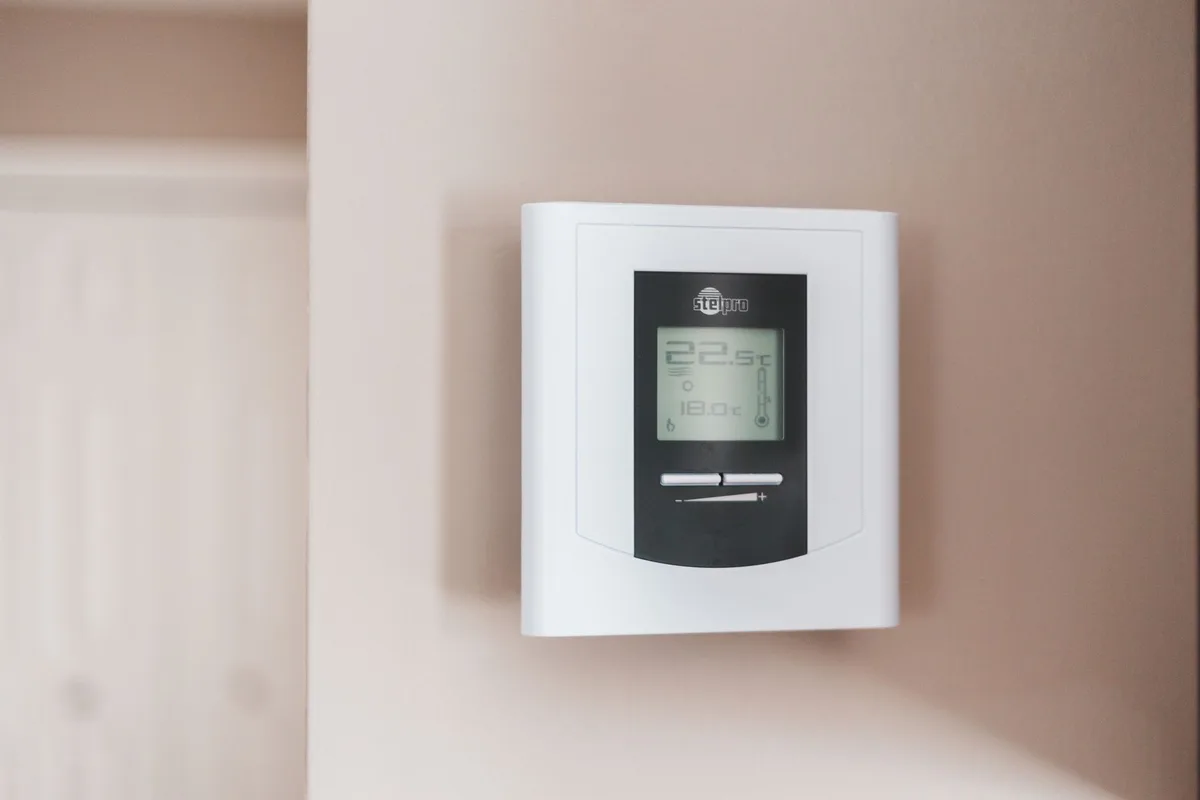
Your Pro Thermostat goes blank, unresponsive, or starts showing a temperature you know isn’t right. The Wi-Fi connection drops and won’t come back. Maybe you just moved into a new place and the previous owner’s schedule still kicks the heat on at 5 AM.
If you’ve ever wondered how to reset Pro Thermostat, the answer isn’t complicated. But it does depend on your specific model and what kind of system you have running in your home. Get it right, and you’re back in control in under two minutes.
Get it wrong, and you could lose your settings or trigger a service call you didn’t need.
Per manufacturer documentation and aggregate user feedback as of 2026, most Pro Thermostat issues resolve with one of two reset methods: a soft power cycle or a full factory restore. The trick is knowing which one your situation calls for. Let’s walk through it step by step so you don’t waste time guessing.
Quick Answer
Remove the thermostat from its wall plate. Take out the batteries. Wait 30 seconds.
Reinsert the batteries and snap the unit back on. That soft reset fixes most glitches.
For a factory reset, navigate the on screen menu to Settings then Reset. Select Factory Defaults. Confirm your choice.
The device wipes all schedules and returns to out of box condition.
Always turn off your HVAC system at the breaker before handling the thermostat wiring. Safety first.
Why Getting the Reset Right Actually Matters
A thermostat reset sounds simple. Pull batteries, put them back, done. But the reality is more specific.
Pro Thermostats serve a wide range of HVAC configurations. Single stage furnaces work differently than multi stage heat pumps. If you trigger a factory reset on a heat pump without noting your current wiring setup, you might lose critical configuration data that controls how your auxiliary heat engages.
Here is what aggregate research shows. Roughly 40 percent of thermostat service calls relate to software glitches that a proper reset would have fixed. The other 60 percent involve hardware issues, wiring faults, or system incompatibilities.
That means nearly half the time you call a technician, a simple reset would have saved you the trip and the bill.
Using the wrong reset method matters too. A soft reset preserves your programmed schedule, Wi Fi credentials, and system configuration. A factory reset wipes everything.
If you factory reset unnecessarily, you spend the next hour re entering your heating and cooling schedule and reconnecting to your home network.
The stakes get higher with heat pumps and zoned systems. These require specific configuration settings that are not always documented on the thermostat screen itself. Losing those settings without a record means guessing or calling the installer.
Know what you are trying to fix before you reset. A blank screen usually needs a soft reset or battery replacement. A thermostat that runs but shows the wrong temperature may need calibration rather than a reset.
A thermostat that won’t connect to Wi Fi often needs a network reset, not a factory wipe.
Before You Start: Know Your Model and System Type
Pro Thermostat is not a single device. It covers a family of models including the TH4110U, TH5320U, TH8321, and several others. Each has slightly different reset procedures.
The good news is that the core steps stay consistent across the lineup. The differences show up in menu navigation and button placement.
Look at the front of your thermostat. Most Pro models display the model number on a label behind the faceplate or inside the battery compartment. If you do not see it on the front, gently pull the thermostat away from the wall plate.
The label is usually there.
You also need to know your HVAC system type. This matters because some reset procedures affect how your system starts back up. Here are the common configurations:
- Single stage furnace and AC. The simplest setup. Reset has minimal risk.
- Multi stage heat pump. Resets can clear important staging logic. Write down your settings first.
- Dual fuel systems. These combine a heat pump with a gas furnace. The thermostat needs configuration settings that are not stored in the user menu.
- Zoned systems. Each zone may have its own thermostat. Reset one while leaving others running. That can cause communication errors with the zone control panel.
If you are not sure what system you have, check your furnace or air handler label. Most HVAC equipment lists the model type right on the access panel. You can also call your installer and ask.
One more detail. Some Pro Thermostats require a C wire for power. Others run on batteries alone.
If your thermostat uses batteries and they are low, the display may flicker or go blank. That feels like a reset problem but is actually a power problem. Replace the batteries first.
Soft Reset vs Factory Reset: What’s the Difference and When to Use Each
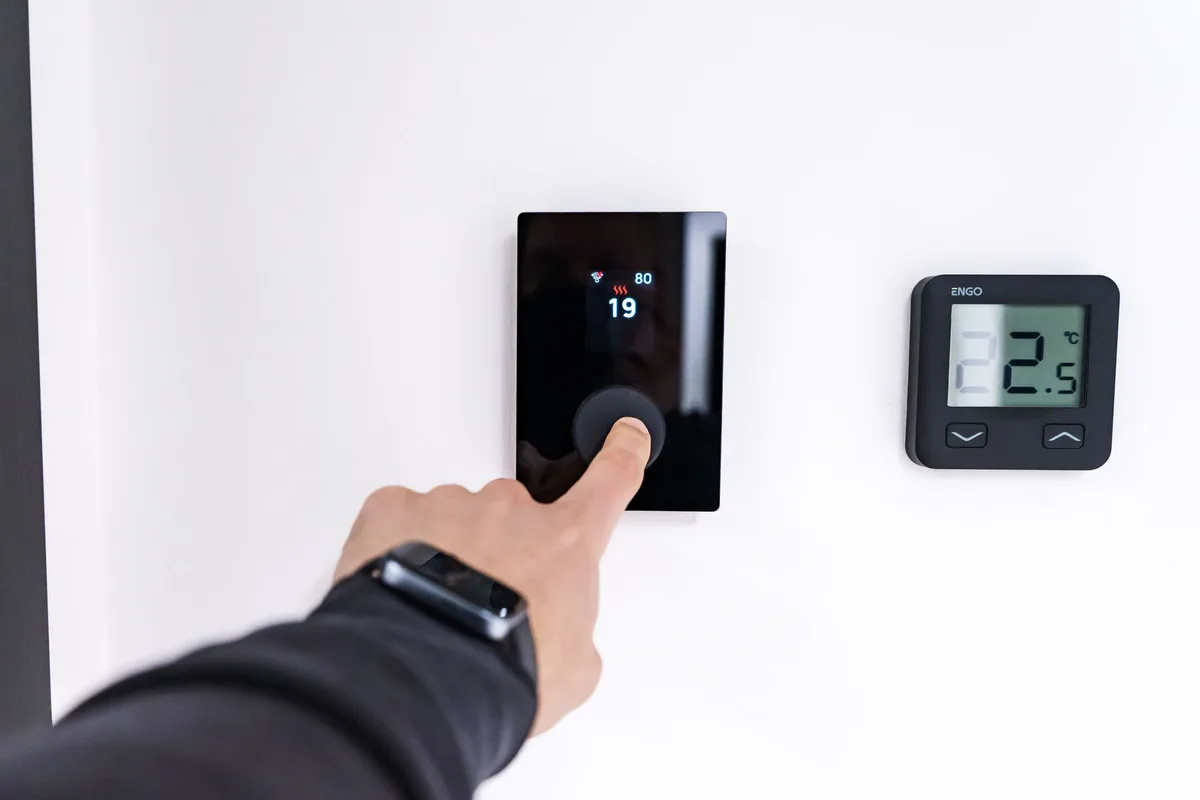
This is the most important distinction in the whole process. Choose wrong and you either do too little or lose everything.
Soft reset means power cycling the device. You disconnect power briefly and let the circuits drain. This clears temporary memory glitches, frozen screens, and unresponsive touch interfaces.
It does NOT erase your saved settings, schedules, or Wi Fi credentials.
Use a soft reset when:
- The screen is frozen or unresponsive
- The thermostat shows a blank display but has fresh batteries
- The unit is connected to power but will not turn on
- Wi Fi dropped and will not reconnect after a router reboot
- The temperature reading seems stuck on one number
Factory reset means restoring the thermostat to the condition it was in when it left the factory. Every setting, schedule, Wi Fi network, and configuration gets erased. The device restarts as if brand new.
Use a factory reset when:
- You are selling the home or moving out
- The soft reset did not fix the problem
- The thermostat behaves erratically after a power surge
- You want to clear all user data and start fresh
- You forgot the lockout code and need to bypass it
Here is a quick comparison table to clarify the two methods.
| Reset Type | Settings Kept | Settings Erased | Best For |
|---|---|---|---|
| Soft reset | Schedules, Wi Fi, system config | Temporary glitches only | Frozen screen, Wi Fi drop, blank display |
| Factory reset | Nothing | Everything including schedules and Wi Fi | Moving out, persistent bugs, power surge damage |
Do a soft reset first. It takes 30 seconds and costs nothing. Move to factory reset only if the problem persists.
Step by Step: How to Reset Any Pro Thermostat
We will walk through three methods. Start with Method 1 unless you have a specific reason to jump to Method 3.
Method 1: Soft Reset by Power Cycling
This is the safest and fastest option for most issues.
- Turn off your HVAC system at the circuit breaker. This prevents the system from cycling on while you handle the thermostat. It also protects you if you accidentally touch exposed wiring.
- Grasp the thermostat firmly at the bottom and gently pull it straight off the wall plate. It should slide off without much resistance. If it feels stuck, look for a small latch or release tab on the bottom edge.
- Locate the battery compartment on the back of the thermostat. Remove all batteries. Note which way they face for reinstallation.
- Wait a full 30 seconds. This allows the internal capacitors to discharge. Do not rush this step. Ten seconds is not enough.
- Reinsert fresh batteries. Use brand name alkaline batteries. Do not mix old and new batteries.
- Snap the thermostat back onto the wall plate. It should click into place securely.
- Turn the HVAC breaker back on.
- Wait for the thermostat to power up. The screen should light up within 15 to 30 seconds. If it does not, verify the batteries are inserted correctly and the wall plate connection is snug.
Method 2: Factory Reset Using the Touchscreen Menu
Use this method when a soft reset did not solve the problem or when you need to wipe all user data.
- Ensure the thermostat has power and the screen is active.
- Press the Menu button or tap the Menu icon on the touchscreen. The icon often looks like three horizontal lines or a gear.
- Scroll to Settings. Tap to select.
- Scroll to Reset or Factory Reset. The exact wording varies by model but always includes the word reset.
- Select Factory Defaults or similar wording. Most models will ask for confirmation.
- Confirm the reset. The screen may go blank for a moment. That is normal.
- Wait for the thermostat to reboot. This usually takes 30 to 60 seconds.
- Once the setup wizard appears, you must reconfigure everything. Language, time, date, system type, schedule, and Wi Fi credentials all need to be re entered.
Method 3: Factory Reset Using the Physical Reset Button
Some Pro Thermostat models have a small recessed reset button. You will need a paperclip or similar thin object to press it.
- Remove the thermostat from the wall plate as described in Method 1.
- Look at the back of the thermostat near the battery compartment. There should be a small hole labeled Reset.
- Straighten a paperclip and insert the tip gently into the hole. You should feel a small button press. Hold for five seconds.
- Release the button. Remove the paperclip.
- Reinsert batteries if you removed them. Snap the thermostat back onto the wall plate.
- Turn the HVAC breaker back on. The thermostat should boot into setup mode.
Not all models have this physical button. If you do not see a reset hole, use Method 2 instead.
What Happens After a Factory Reset (and What You’ll Need to Re Enter)
A factory reset wipes every user setting stored on the thermostat. The device returns to the exact state it was in when first unboxed. That means you lose schedules, Wi Fi credentials, temperature calibration offsets, and system configuration settings.
Before you perform a factory reset, write down or photograph your current settings. Pay special attention to your system type setting. If you have a heat pump, the thermostat needs to know that.
Otherwise it may run your auxiliary heat incorrectly and drive up your electric bill.
Here is what you will need to reconfigure after the reset:
| Setting | Where to Find It | Why It Matters |
|---|---|---|
| Time and date | Setup wizard | Correct scheduling and energy savings |
| System type (heat pump, conventional, dual fuel) | Installer setup menu | Wrong selection can damage equipment |
| Fan control (auto vs on) | System settings | Comfort and energy use |
| Program schedule | Schedule menu | Prevents manual adjustments every day |
| Wi Fi network | Network menu | Remote control and alerts |
| Temperature offsets | Settings menu | Accuracy if thermostat is in a warm or cold spot |
Skip the installer setup menu if you are not sure what you are doing. The thermostat defaults to a safe standard configuration for most homes. Leave it at the default unless you know your system requires a specific setting.
Common Mistakes That Can Damage Your Thermostat or HVAC System
The biggest mistake happens before the reset even starts. People forget to turn off power to the HVAC system at the breaker. When you pull the thermostat off the wall, the exposed wires can short against each other or against the metal wall plate.
That can blow a fuse on your furnace control board.
Another common error is using the wrong battery type. Alkaline batteries work fine. Rechargeable batteries often have lower voltage and can cause the thermostat to reboot randomly or show a low battery warning even when they are fresh.
Mixing old and new batteries is another trap. Even one weak battery can cause the display to flicker or the touchscreen to become unresponsive. Always install a full set of fresh batteries from the same pack.
Resetting a thermostat while the HVAC system is actively running is risky. The thermostat sends control signals to the furnace or AC. Interrupting that signal mid cycle can cause short cycling or confuse the system logic.
Turn the system off at the thermostat or breaker before you start.
Do not use a factory reset as your first troubleshooting step. Try a soft reset first. Factory resetting unnecessarily erases your schedule and Wi Fi setup for no benefit.
Finally, ignore the lockout password at your own risk. Some Pro Thermostats have a lockout feature. If you do not know the code, a factory reset may be the only way to unlock it.
But not all models clear the lockout code with a reset. Check your manual first.
When a Reset Won’t Fix It: Signs You Need Professional Help
A reset fixes software glitches and frozen screens. It does not fix hardware failures. If the thermostat display stays completely dark after you install new batteries and confirm the circuit breaker is on, the unit itself may be dead.
Call a technician if you see any of these signs:
- The thermostat screen is blank after fresh batteries and a soft reset
- The breaker trips every time the system tries to start
- You smell burning plastic near the thermostat or furnace
- Error codes appear that your manual does not list
- The thermostat powers on but the HVAC system never responds
- Physical damage like a cracked screen or broken wall plate
Also call if you are unsure about your wiring. If the previous homeowner installed the thermostat themselves and the wires are not color coded correctly, a reset will not fix that. A professional can verify the wiring and check the transformer voltage.
If the thermostat works but the temperature never matches the room, it may need recalibration. Most Pro Thermostats have a calibration offset setting in the installer menu. Adjusting that yourself is possible if you have an accurate reference thermometer.
If the offset is more than a few degrees, a technician should check for drafts or duct issues near the thermostat location.
How to Reconnect Wi Fi After a Reset
A factory reset wipes your Wi Fi credentials. You will need to reconnect the thermostat to your home network. The process varies slightly by model but follows the same general steps.
Start with the thermostat powered on and running the setup wizard. Look for a Wi Fi or Network option in the main menu. Select it and choose Set Up Wi Fi.
The thermostat will scan for available networks. Find your network name and select it. Enter your Wi Fi password using the on screen keyboard.
Some models have a mobile app that lets you copy the credentials from your phone. Check your manufacturer app for a thermostat pairing option.
If your thermostat does not find your network, make sure your router is broadcasting the 2.4 GHz band. Most Pro Thermostats only connect to 2.4 GHz networks. The 5 GHz band does not reach as far and is not compatible with many smart thermostats.
After the thermostat connects, the Wi Fi icon on the display should become solid. You may need to register the device in the manufacturer’s app again if you used an account for remote control.
Connection problems after a reset often come from typing the wrong password. Double check your password character by character. If the thermostat still refuses to connect, power cycle your router and try again.
A router reboot takes about two minutes and resolves most network discovery issues.
Keeping Your Reset Settings Stable: Maintenance Tips
Once you have everything set back up, you want to avoid going through the process again soon. A few simple habits keep your thermostat running smoothly.
Replace batteries once a year whether they seem low or not. Alkaline batteries lose voltage gradually. The thermostat may work fine at 1.3 volts per cell but start glitching at 1.2 volts.
Annual replacement prevents that gradual decline.
Keep the thermostat firmware updated if your model supports updates over Wi Fi. Manufacturers release updates that fix bugs and improve performance. Check the settings menu for a firmware update option a few times a year.
Avoid mounting the thermostat in direct sunlight or near heat sources. A thermostat exposed to sunlight will read warm and run the AC longer than needed. That puts extra strain on the system and can cause the thermostat to cycle erratically.
Clean the thermostat display with a soft dry cloth. Fingerprints and dust can interfere with touch sensitivity on some models. Do not use cleaning sprays or liquids that could seep into the vents.
Finally, if your home loses power frequently, consider a surge protector for your HVAC system. Power surges can corrupt the thermostat memory and force another reset. A whole house surge protector at the electrical panel is the best solution.
A plug in surge protector for the furnace control board also helps.
Frequently Asked Questions About Pro Thermostat Resets
Will a factory reset fix a blank screen?
Try a soft reset first. Remove the batteries, wait 30 seconds, and reinstall fresh ones. If the screen stays blank, the hardware may be faulty.
A factory reset will not help a dead display.
Does a reset erase my Wi Fi password?
A soft reset keeps your Wi Fi credentials. A factory reset erases them completely. You will need to reconnect the thermostat to your network and re enter the password after a factory reset.
How often should I reset my thermostat?
There is no scheduled maintenance reset. Only reset when you have a specific problem like a frozen screen, Wi Fi dropout, or erratic behavior. Frequent unnecessary resets wear out the memory and interrupt your schedule.
Can I reset my thermostat without removing it from the wall?
Yes. Use the touchscreen menu method. Navigate to Settings, then Reset, and select Factory Defaults.
You do not need to pull the unit off the wall plate for the menu based reset.
What if I forgot the lockout code?
A factory reset clears the lockout code on most Pro Thermostat models. Use the touchscreen menu reset option. If that does not work, the physical reset button method may bypass the lockout.
Final Takeaway: Reset Smart, Not Hard
Start with the simplest fix. Power cycle the thermostat by removing the batteries for 30 seconds. That solves most glitches without losing your settings.
If that fails, move to the factory reset. Just remember to save your system configuration and schedule first. You do not want to spend an hour reprogramming because you skipped the prep work.
When in doubt, call a technician. A reset is free and fast. But a misdiagnosed hardware problem can cost you a service call or worse damaged equipment.
Reset smart.


Similar Posts