How to Position Wall Sconces Next to Bathroom Mirror
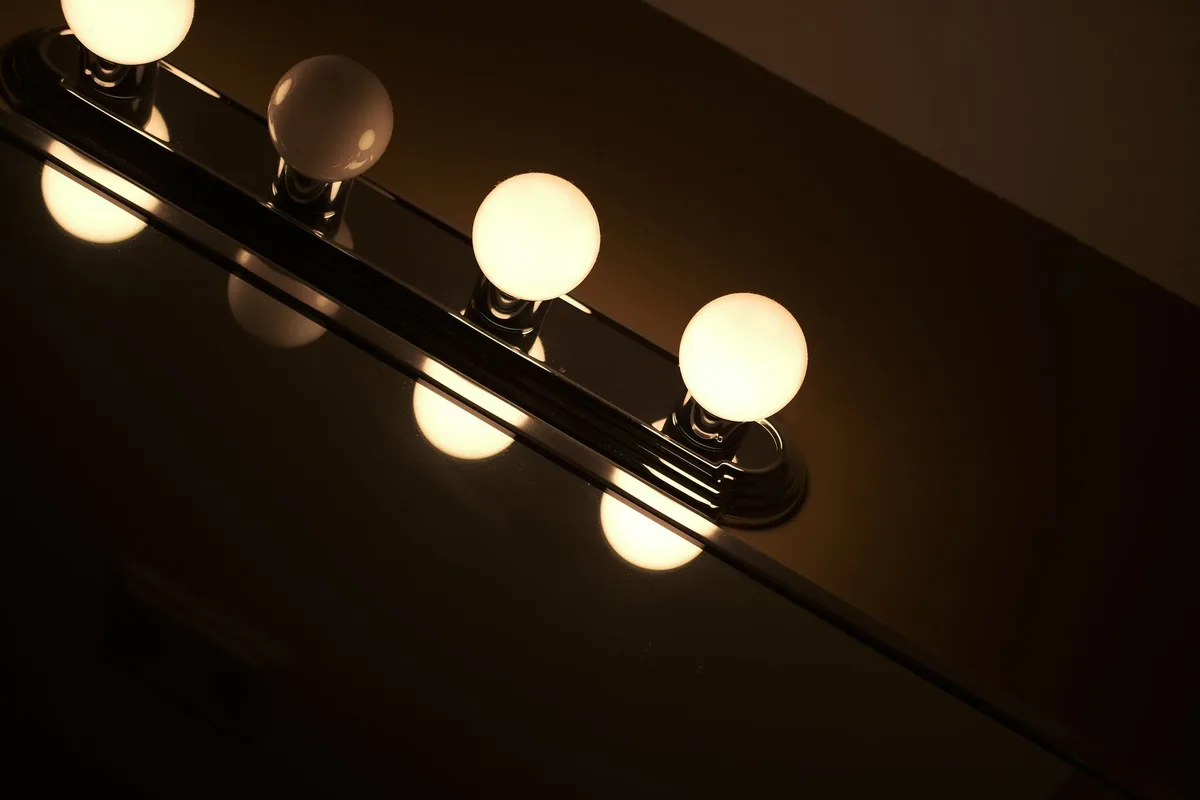
Getting your bathroom sconce placement just right is more art than science, but it’s a crucial element for both functionality and aesthetics. A well-lit bathroom isn’t just about avoiding stubbed toes in the dark; it’s about creating an inviting, practical space where tasks like applying makeup, shaving, or even just brushing your teeth are a pleasure. And the heart of that lighting often lies with well-positioned wall sconces flanking your bathroom mirror.
This guide dives deep into everything you need to know about where to hang those sconces for optimal illumination and cohesive design. We’ll cover the key considerations, from height and spacing to style and functionality, ensuring your bathroom transformation is a resounding success. Let’s stop squinting and start illuminating!
Why Sconce Placement Matters So Much
You might think all lighting is just about illumination, but with bathroom sconces, it’s far more nuanced. The placement dictates how light falls, how shadows are cast, and how the entire room feels. Get it wrong, and you’ll end up with harsh glare, unflattering shadows, or an imbalance that makes your bathroom feel awkward and unfinished.
Here’s the lowdown:
- Functionality First: The primary job of vanity lighting is to illuminate your face clearly when you’re standing at the mirror. This means avoiding shadows that obscure important details or create muddy complexions. Sconces placed at the correct height and distance create even, shadow-free light.
- Aesthetic Harmony: Lighting is a critical design element. Proper sconce placement contributes significantly to the overall visual balance and style of your bathroom. They frame the mirror, acting like jewelry for your vanity.
- Task Lighting Efficiency: Think of your bathroom mirror as your primary workstation. Sconces provide focused task lighting, ensuring you can perform grooming routines with precision and ease, whether it’s a detailed makeup application or a quick shave.
- Ambiance Control: While task lighting is key, sconces also contribute to the mood. The type of sconce and its diffusion can soften the light, making the bathroom feel more spa-like or relaxing.
The Golden Rules of Bathroom Sconce Height
Height is arguably the most significant factor when positioning bathroom wall sconces. Too high, and they won’t adequately light your face. Too low, and you’ll be staring into the bulbs, creating uncomfortable glare.
Image source: Pexels / Daniel Shi (Pexels License)
Standard Height Recommendations
The generally accepted standard for the center of your sconce (or the center of the light source itself) is 60 to 66 inches from the finished floor. This range is typically aligned with eye level for most adults, ensuring the light beam hits your face directly when you’re standing at the mirror.
- Why 60-66 inches? This height is derived from average eye-line measurements and aims to illuminate the upper body and face without causing glare.
- Consider Your Ceiling Height: If you have exceptionally high ceilings (9 feet or more), you might consider placing the sconces slightly higher, perhaps in the 68-70 inch range. This prevents the lights from looking too small or lost on a large wall. Conversely, in a bathroom with lower ceilings, you might stick closer to the 60-inch mark.
- Vanity Height Matters Too: The height of your vanity cabinet also plays a role, though it’s usually secondary to floor-to-ceiling height. Most standard vanities are around 30-34 inches tall. The 60-66 inch range generally works well with these standard heights.
Adjusting for Specific Needs
The “standard” is a great starting point, but real life (and real bathrooms) often require adjustments.
- For Shorter Individuals: If the primary users of the bathroom are significantly shorter, you might consider dropping the sconces an inch or two. The goal is always to project light onto the face, so tailor it to your specific needs.
- For Taller Individuals: Similarly, if everyone in the household is very tall, you might nudge them up an inch or two.
- Mirror Size and Placement: If your mirror is unusually tall or very short, this can also influence sconce height.
- Tall Mirrors: If your mirror extends very high up the wall, you might center the sconces vertically within the mirror’s frame, ensuring they don’t sit too close to the top edge.
- Short Mirrors: For a very short or compact mirror, you may need to bring the sconces lower to ensure they cast light effectively on the face.
- Ceiling Fixtures: If you have a prominent ceiling light directly above the vanity, you’ll want to ensure the sconces complement, rather than conflict with, this light. You might adjust the sconce height slightly to create a more balanced overall lighting scheme.
Determining the Ideal Sconce Spacing
Once you’ve nailed the height, the next critical decision is how far apart to place your sconces. This is all about creating symmetrical illumination and a balanced visual weight around your mirror.
The “Mirror Rule”
A common and effective guideline is to position the sconces so they are about as far apart as they are from the edges of the mirror.
- General Principle: Imagine your mirror as the central point. The distance from the center of the mirror to its edge should ideally be similar to the distance from the edge of the mirror to the center of the sconce.
- Why This Works: This creates a visual triangle of light that perfectly frames and illuminates your face without creating overly harsh shadows or leaving the outer edges of your face in darkness. It ensures even light distribution from two distinct points.
Practical Spacing Guidelines
Let’s break this down further with practical measurements:
- Measure Your Mirror: Get the exact width of your bathroom mirror.
- Determine Mirror Edge to Mirror Center: Divide the mirror’s width by two. This is the distance from the center of the mirror to its left or right edge.
- Place Sconces: Position the center of your sconce at this same distance from the edge of your mirror.
Example:
If your mirror is 30 inches wide:
- Distance from mirror edge to mirror center = 30 inches / 2 = 15 inches.
- Therefore, place the center of each sconce 15 inches away from the corresponding edge of the mirror.
Factors Influencing Spacing
While the “mirror rule” is a solid starting point, some other factors can influence your final decision:
- Sconce Size: Larger, statement sconces might require slightly more distance to avoid feeling cramped. Smaller, more delicate sconces can be placed closer together.
- Vanity Width: Ensure the sconces don’t overpower a narrow vanity or look too sparse on a wide one. The spacing should feel proportional to the width of the vanity cabinet below.
- Wall Space: You’re also constrained by the available wall space. If placing them according to the mirror rule feels too close or too far from the corners of the room, make pragmatic adjustments. The goal is visual harmony.
- Doorways and Windows: Avoid placing sconces directly in the path of a swinging door or where they might create glare on a nearby window.
Considering Sconce Style and Functionality
The “where” is critical, but the “what” and “why” of your sconce choice also impact placement.
Light Source Direction
Wall sconces come in various designs based on how they direct light:
- Upward-Facing: These cast light towards the ceiling. They’re great for general ambient light and can make a room feel taller. When used next to a mirror, they’re best combined with a sconce that also directs light downwards or outwards for facial illumination.
- Downward-Facing: These cast light towards the vanity or floor. They provide direct task lighting but can create shadows overhead if not balanced.
- Upward and Downward (Baffled or Diffused): Many modern sconces offer a combination of up and down lighting, often diffused. These are excellent for providing both ambient and task illumination simultaneously, offering a softer, more even glow.
- Forward-Facing (Shade Projects Outward): Sconces with shades that project outward are designed to direct light forward, illuminating the user directly. This is often the ideal for clear facial illumination.
Placement Impact:
For optimal facial lighting, you want the light source to be at or near eye level and directed towards your face. Sconces with forward-facing shades or upward/downward designs that bounce light effectively are often the best bet. If you have purely upward-facing sconces, you’ll likely need a separate task light source or a very wide, diffused shade to compensate.
Shade Type and Diffusion
The material and style of the sconce shade significantly impact the quality of light:
- Frosted or Opal Glass: These diffuse light beautifully, softening harshness and reducing glare. They’re a top choice for vanity lighting.
- Clear Glass: While stylish, clear glass can be very bright and directly expose the bulb, potentially creating glare. Consider using lower-wattage bulbs or bulbs with a diffused finish if you opt for clear shades.
- Fabric Shades: These offer a softer, more diffused light but can be harder to keep clean in a steamy bathroom environment. They also tend to absorb more light.
- Metal Shades: Often used for directional lighting, they can create strong shadows if not carefully positioned.
Placement Impact:
A well-diffused light source at the correct height and distance will create a flattering, shadow-free illumination. Harsh, unshielded bulbs will create unflattering shadows, no matter how well positioned.
Dimmer Switches are Your Friends
Regardless of your sconce style, installing dimmer switches is a game-changer. They allow you to adjust the intensity of the light to suit the time of day and the task. Bright light for makeup application, and a softer glow for a relaxing evening soak.
Edge Cases and Unique Bathroom Layouts
Not all bathrooms are created equal. Here’s how to tackle less conventional situations:
Single Mirror, Double Vanity
This is becoming increasingly popular. The principle remains the same: place sconces on either side of the mirror at the correct height and spacing. Ensure the spacing is proportional to the overall width of your double vanity.
You’re essentially treating the entire mirrored expanse as one lighting zone.
Two Separate Mirrors
If you have two distinct mirrors on a long vanity, you’ll likely want a pair of sconces for each mirror. Position each sconce pair according to the rules above for their respective mirror. This creates two distinct and well-lit grooming zones.
No Mirror or an Oversized Mirror
- No Mirror: If you don’t have a mirror or plan to install one later, you’ll need to be more proactive. You might opt for a single large fixture centered above the vanity, or two sconces on either side of where a mirror would go, focusing on illuminating the face directly. This is where planning ahead is crucial.
- Oversized Mirror: For a mirror that covers the entire wall above the vanity, you might consider placing sconces at the suggested height and spacing, but also potentially adding a central pendant or ceiling fixture to provide overall illumination and break up the expanse of the mirror.
Pedestal Sinks
With pedestal sinks, there’s no vanity cabinet to consider. The wall behind the sink becomes your canvas. The 60-66 inch height rule is your primary guide here, with spacing determined by the size of your mirror (or where you intend to hang art that the lighting will highlight).
Corner vanities or Unique Shapes
For non-standard layouts, you’ll need to rely on the core principles:
- Eye Level: Keep the light source at eye level.
- Face Illumination: Ensure the light directly addresses the task of grooming at your primary mirror.
- Symmetry: Strive for visual balance, even if it means a slightly less conventional measurement.
Beyond Vanity Sconces: Complementary Bathroom Lighting
While vanity sconces are our main focus, a truly well-lit bathroom incorporates other layers of light.
Ambient Lighting
This is the general, overall illumination of the room. It can come from:
- Recessed ceiling lights
- A central flush-mount or semi-flush mount fixture
- A well-placed globe pendant
Placement Strategy: Ambient lighting should provide a comfortable base level of light without creating glare. It sets the mood for the entire space. If you have very bright vanity sconces, you might want a dimmer on your ambient light.
Accent Lighting
This is used to highlight architectural features, artwork, or shower niches. Small, directional spotlights or in-shower lighting fit this category.
Placement Strategy: Accent lighting is about drawing attention to specific elements. It’s not about direct illumination for tasks.
Considerations for New Builds and Renovations
If you’re building a new bathroom or undertaking a major renovation, planning your lighting layout before drywall goes up is absolutely paramount. This allows for proper electrical wiring to be installed in the correct locations. Consult with an electrician or lighting designer early in the process. They can help you map out the perfect placement for all your fixtures, ensuring you don’t have to make costly compromises later.
Safety First: Electrical Considerations for Sconce Installation
Installing wall sconces involves working with electricity, which carries inherent risks if not done correctly.
Always Hire a Qualified Electrician
Unless you have a strong background in electrical work and are familiar with local building codes, always hire a licensed electrician to install your wall sconces. They can:
- Ensure circuits are properly rated and protected.
- Wire the sconces safely and according to code.
- Install dimmer switches correctly.
- Understand and implement grounding procedures.
- Perform the installation quickly and efficiently, saving you time and potential headaches.
Understanding Bathroom Electrical Codes
Bathrooms are considered “wet locations” by electrical codes due to the increased risk of moisture exposure. This means:
- GFCI Protection: Outlets and lighting circuits in bathrooms are typically required to be protected by Ground Fault Circuit Interrupters (GFCIs). These devices quickly shut off power if they detect an imbalance in current, preventing shocks. Your electrician will ensure this is in place.
- Fixture Ratings: Sconces installed in areas prone to direct water spray (like directly over a shower) may need special damp-rated or wet-rated enclosures, though vanity sconces are generally considered safe outside of direct spray zones.
- Wiring: All wiring must be properly secured and protected within the walls.
Bulb Choice and Heat
- LEDs are King: For the most part, use LED bulbs. They consume less energy, produce less heat, and last significantly longer than incandescent or halogen bulbs. This is crucial for safety, as less heat means less risk of the fixture or surrounding materials overheating.
- Wattage Limits: Always adhere to the maximum wattage specified by the sconce manufacturer. Exceeding this can be a fire hazard.
Troubleshooting Common Bathroom Lighting Problems
Even with careful planning, you might encounter issues. Here are some common problems and how to address them:
Problem: Too Many Harsh Shadows on My Face
- Cause: Sconces are too far apart, too close together, or the light source is too direct and unshielded.
- Solution:
- Adjust sconce placement. Try moving them closer together if they’re too far apart, or further out if too close.
- Ensure you’re using bulbs with good diffusion (frosted, opal) or shades that soften the light.
- Consider a different style of sconce or an additional light source, like a central ceiling fixture.
Problem: Glare When Standing at the Mirror
- Cause: Sconces are mounted too low, or the bulbs are too bright and exposed.
- Solution:
- Raise the sconces slightly, aiming for that 60-66 inch range from the floor.
- Use lower wattage bulbs or bulbs with a matte finish.
- Opt for sconces with shades that direct light away from the direct line of sight.
- Install a dimmer switch.
Problem: Lighting Feels Unbalanced or Uneven
- Cause: Sconces are not symmetrically placed, or one side of the vanity is more brightly lit than the other.
- Solution:
- Re-measure and ensure your spacing is even relative to the mirror edges.
- Check that both bulbs are functioning correctly and are of the same type and brightness.
- Consider your overall bathroom lighting. If there’s a dominant ceiling light, it might be creating an imbalance.
Problem: Sconces Feel Too Small or Too Large for the Space
- Cause: The scale of the sconces doesn’t match the scale of the mirror or vanity.
- Solution: This is more of a design than a placement issue, but it impacts how placement feels. If sconces are too small, you might need to place them closer together or opt for a larger style. If too large, more spacing might help, or a more streamlined fixture. Consider the overall visual weight.
Frequently Asked Questions About Bathroom Sconce Placement
Q1: What is the standard height for bathroom sconces?
The standard height for the center of bathroom wall sconces is generally considered to be between 60 to 66 inches from the finished floor. This aims to position the light at typical eye level for effective facial illumination.
Q2: How far apart should bathroom sconces be placed?
A good rule of thumb is to place the sconces so they are roughly as far apart as they are from the edges of the mirror. For example, if your mirror is 30 inches wide, center each sconce about 15 inches from the edge of the mirror.
Q3: Can I use only one sconce?
While two sconces flanking a mirror are ideal for balanced lighting, you can use a single sconce if your mirror is very narrow or if your bathroom layout makes two impractical. In this case, center the single sconce directly above the mirror or slightly to one side, ensuring it provides adequate light to your face. However, this will likely create more shadows and less even illumination than a pair.
Q4: What kind of bulbs are best for bathroom sconces?
LED bulbs are highly recommended. They are energy-efficient, long-lasting, and produce less heat than traditional bulbs, which is important for safety in a bathroom setting. Opt for bulbs with a warm to neutral color temperature (around 2700K-3000K) for a flattering glow, and consider frosted or diffused options to minimize glare.
Q5: What if my mirror is really tall or short?
Adjustments are often needed. For very tall mirrors, you might center the sconces vertically within the mirror’s height. For very short mirrors, bring the sconces lower to ensure they light your face properly.
Always prioritize direct facial illumination.
Q6: Should I use dimmer switches for bathroom sconces?
Absolutely! Dimmer switches provide invaluable flexibility, allowing you to adjust the light intensity for different tasks and moods. You can brighten them for grooming and dim them for a more relaxed atmosphere.
Q7: Can I put sconces in a shower niche?
Generally, wall sconces are designed for dry or damp locations and are not suitable for direct water exposure in a shower. You would need specific wet-rated or shower-specific lighting fixtures for that application. Vanity sconces should be installed well away from the direct spray of a shower.
For information on filter replacement, consider looking into filter maintenance which is a vital aspect of appliance upkeep and can extend their lifespan.
Q8: What about lighting for a makeup vanity?
For makeup application, shadow-free lighting is paramount. Sconces placed at eye level on either side of the mirror, ideally with diffused light, are excellent. Some dedicated makeup stations might even have ring lights or additional task lighting directly around the mirror’s perimeter for ultimate precision.
Q9: How do I ensure my sconces are safe during installation?
Safety is non-negotiable. Always hire a qualified electrician to perform the installation. They will ensure proper wiring, grounding, and compliance with local electrical codes, especially in a bathroom environment, which requires GFCI protection.
Q10: What if my vanity is mounted very high or very low?
While the 60-66 inch rule from the floor is standard, the height of your vanity can influence aesthetic balance. If your vanity is unusually high or low, you can adjust the sconce height slightly so the lighting feels proportionate. However, always prioritize getting the light source at a height that illuminates your face effectively.
Conclusion: Illuminating Your Space with Confidence
Achieving perfect bathroom sconce placement boils down to understanding a few key principles: consistent height, balanced spacing, and considering the style of your fixtures. By grounding your decisions in functionality, ensuring clear, shadow-free illumination of your face, and then layering in aesthetic considerations, you can transform your bathroom into a well-lit, beautiful, and practical space. Whether you’re undertaking a full renovation or just refreshing your vanity, mastering these placement techniques will elevate your bathroom’s design and usability.
Remember to always prioritize electrical safety and consult a professional electrician for installation to ensure peace of mind and a job done right.


Similar Posts